
Views: 0 Author: Site Editor Publish Time: 2026-03-09 Origin: Site
In the production of aluminum foil, the rewinding machine plays a pivotal role in converting large rolls of foil into smaller, more manageable sizes. One of the key factors affecting the quality and efficiency of this process is tension control. Accurate tension control is critical to ensure that the material is wound evenly, without defects like wrinkles, stretching, or tearing, which can lead to product waste and customer dissatisfaction. In this article, we will explore how aluminum foil rewinding machines ensure accurate tension control, the types of tension control systems, the components involved, and how proper tension management contributes to high-quality production.
Tension control refers to the system or method used to maintain the correct tension in the material being processed, in this case, aluminum foil, during the rewinding process. The importance of tension control in aluminum foil rewinding cannot be overstated, as it directly impacts the material’s integrity and the final product’s quality.
Why Tension Control is Crucial: If the foil is wound with inconsistent tension, it can result in defects such as wrinkles, tears, and uneven winding. These defects not only affect the appearance of the foil but also impact its performance in downstream applications, such as packaging or food preservation.
The Role of Consistent Tension: Maintaining consistent tension throughout the process ensures that the foil remains intact, smooth, and uniform, allowing it to be used efficiently in further manufacturing stages. Whether the foil is being used for packaging food, medical supplies, or other applications, ensuring the foil’s quality is crucial to meeting industry standards.
There are two primary types of tension control systems in aluminum foil rewinding machines: manual and automatic. Each has its own benefits and limitations, depending on the complexity of the machine and the specific requirements of the production process.
Manual tension control requires the operator to adjust and monitor the tension of the material during the rewinding process. This system is typically used in less complex machines or in settings where flexibility and cost-effectiveness are essential.
How It Works: The operator manually adjusts the tension settings based on visual cues and the feel of the material. This may involve adjusting the brake or the speed of the motor to maintain the correct tension.
Advantages:
Lower initial cost for simpler machines.
Flexibility to adjust the tension based on material type or operator preference.
Disadvantages:
More prone to human error, as it relies on operator skill and attention.
Requires constant monitoring and adjustment, which can reduce overall efficiency.
Automatic tension control systems use sensors and feedback loops to continuously adjust the tension during the rewinding process, ensuring that the foil remains at a consistent tension throughout.
How It Works: Sensors placed along the machine measure the tension of the aluminum foil and automatically adjust the speed of the rollers or the brake system to maintain the desired tension. The system can make adjustments in real-time, ensuring consistent results.
Advantages:
Consistent and precise tension management, reducing the risk of material defects.
Less need for operator intervention, freeing up resources for other tasks.
Improved efficiency, especially in high-speed production environments.
Disadvantages:
Higher initial cost due to more sophisticated technology.
Requires regular maintenance to ensure the sensors and feedback systems function properly.
Tension Control Type | Advantages | Disadvantages |
Manual Tension Control | Lower cost, more flexibility | Prone to human error, requires constant monitoring |
Automatic Tension Control | Consistent, efficient, reduces operator workload | Higher initial cost, requires maintenance |
Accurate tension control in aluminum foil rewinding machines is made possible by a combination of key components. These components work together to ensure that the material is wound evenly and without defects.
Tension sensors are critical for measuring the tension of the aluminum foil during the rewinding process. These sensors provide real-time data to the machine’s control system, allowing adjustments to be made as necessary.
How Tension Sensors Work: Sensors detect the amount of force applied to the material as it is wound. The machine uses this data to adjust the motor speed or apply braking force to maintain the desired tension.
Importance: Accurate sensors ensure that the tension is maintained consistently throughout the process, preventing over-stretching or under-tightening that could lead to defects.
A feedback system uses the data from tension sensors to dynamically adjust the machine’s settings. This continuous feedback ensures that tension is constantly monitored and adjusted, preventing issues before they arise.
How It Works: The feedback system analyzes the sensor data and sends commands to the motor or brake system to adjust the speed and force applied to the material.
Benefits: By maintaining a stable feedback loop, the system ensures that tension is always within the desired range, leading to high-quality, defect-free winding.
Servo motors are used in rewinding machines to precisely control the movement of the material. These motors are highly efficient and responsive, making them ideal for maintaining tension in high-speed rewinding processes.
How Servo Motors Help: Servo motors adjust the speed and force applied to the material based on the tension data provided by the sensors. This precise control allows for more consistent and accurate winding.
Role in Tension Control: Servo motors work in conjunction with feedback systems and tension sensors to maintain the optimal tension level for the material, ensuring smooth and even winding.
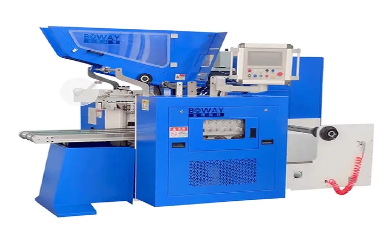
Accurate tension control is crucial for the final quality of aluminum foil during the rewinding process. Consistent tension ensures the material is wound evenly, preventing defects such as wrinkles, tears, and uneven winding. Improper tension control can significantly impact the product’s quality and performance
Wrinkles occur when tension is too high, causing the foil to stretch and form creases. This reduces the material’s usability for applications like packaging or food preservation.
Cause: High tension stretches the material, creating visible wrinkles.
Effect on Quality: Wrinkles result in poor-quality foil that doesn’t meet standards.
Balanced tension is crucial. Automatic tension systems help maintain consistent tension, preventing over-stretching.
Tears or breakage occur when tension is too low, causing the aluminum foil to become unstable and tear under pressure.
Cause: Insufficient tension causes the foil to become loose and prone to breakage.
Effect on Quality: Tears or breaks result in unusable material and production delays.
Maintaining optimal tension prevents breakage. Automatic tension control systems help regulate tension to avoid material loss.
Uneven winding happens when the tension fluctuates, resulting in rolls with varying thicknesses.
Cause: Inconsistent tension leads to uneven winding, creating rolls with inconsistent thickness.
Effect on Quality: Uneven rolls are difficult to handle and process further.
Rewinding machines with feedback control systems continuously monitor and adjust tension, ensuring uniform rolls.
Consistent tension ensures smooth, uniform, and defect-free aluminum foil rolls. This improves quality and efficiency, reduces material waste, and meets industry standards for packaging and food preservation.
Proper tension ensures uniform rolls with consistent thickness, critical for packaging and food industries.
Consistent tension provides a smooth surface, essential for tightly wrapping products.
Accurate tension reduces defects, minimizing material waste and improving production efficiency.
Tension sensors monitor the force applied to the aluminum foil as it is being rewound. The data from the sensors is used to adjust the machine’s speed and braking force, maintaining consistent tension throughout the process.
Yes, tension control can impact the speed of the process. If the tension is too high or low, the machine may adjust the speed to maintain proper tension, which may result in a slower or faster winding process depending on the material.
If the tension control system fails, the aluminum foil may be wound unevenly, resulting in defects like wrinkles, tears, or inconsistent roll thickness. This can lead to product rejection and operational delays.
Regular inspection of tension sensors, feedback systems, and servo motors is essential. Ensure that sensors are calibrated correctly, the feedback system is functioning properly, and the motors are well-lubricated to maintain optimal tension control.
Accurate tension control is a cornerstone of the aluminum foil rewinding process. Rewinding machines ensure that aluminum foil is wound into smaller, manageable rolls without defects by maintaining precise tension. Both manual and automatic tension control systems offer different benefits depending on the complexity of the machine and the production needs. Key components such as tension sensors, feedback systems, and servo motors work together to ensure the desired tension is maintained throughout the process. With proper tension management, manufacturers can produce high-quality, defect-free aluminum foil rolls that meet the stringent requirements of various industries.


