
Views: 0 Author: Site Editor Publish Time: 2026-01-19 Origin: Site
The aluminium foil industry has seen steady growth in recent years due to the increasing demand for packaging materials in food, pharmaceuticals, and industrial sectors. Aluminium foil is not only highly versatile but also plays a significant role in preserving food quality, ensuring product safety, and providing convenience. As more businesses shift towards sustainable packaging options, the aluminium foil market continues to expand, offering a promising opportunity for new entrepreneurs.
Starting an aluminium foil business can be a highly rewarding venture, but it requires careful planning, significant investment, and a clear understanding of the manufacturing process. From sourcing raw materials to setting up the right machinery and distribution channels, there are many factors to consider before launching your business. This article will guide you through the steps necessary to start an aluminium foil business, including key considerations, essential equipment, and strategies for success.
Before starting any business, it's crucial to thoroughly understand the market demand. For an aluminium foil business, this means evaluating the industries that drive the demand for aluminium foil and identifying the key factors influencing that demand. Aluminium foil is an essential material in numerous sectors due to its versatility, lightweight nature, and protective properties. The demand for aluminium foil spans across various industries, each with distinct needs and requirements.
Packaging:
One of the primary drivers for aluminium foil demand is its widespread use in packaging. Aluminium foil is a preferred choice in the food packaging industry because it provides excellent protection against moisture, light, and contaminants. Its ability to extend shelf life and preserve freshness makes it indispensable for packaging perishable goods like dairy products, snacks, beverages, and ready-to-eat meals. Moreover, aluminium foil is often used for pharmaceutical packaging, where the integrity and safety of the product are paramount. Its impermeability to air and moisture ensures that medicine remains effective, especially when stored for long periods.
In industrial packaging, aluminium foil is commonly used due to its durability, ability to maintain product freshness, and lightweight properties. It is especially valuable for packaging items such as electronic components, chemicals, and hazardous materials that require secure containment.
Construction:
The construction industry is another major consumer of aluminium foil. It is frequently used in insulation materials for buildings and homes, providing energy efficiency by reflecting heat away from interiors during hot weather and keeping heat inside during colder months. Aluminium foil-based insulation materials also serve as an effective barrier against moisture and vapour, contributing to a building’s long-term structural integrity and energy savings.
Other Industries:
Electronics, automotive, and medical industries are other significant sectors that rely on aluminium foil for various applications. In electronics, aluminium foil is used in capacitors, batteries, and electrical components due to its conductive properties. In the automotive sector, it is used in heat shields and soundproofing materials, while in the medical industry, it is essential for packaging medical supplies, wound care products, and even as part of medical imaging technologies.
Market Research: Conducting market research is essential to understand the specific demand for aluminium foil in your target area. Look into the industries that use aluminium foil most frequently, and evaluate your competition to identify market gaps.
Application | End Users | Demand Drivers |
Food Packaging | Food Manufacturers | Convenience, shelf life, safety |
Pharmaceutical Packaging | Pharmaceutical Companies | Product integrity, hygiene standards |
Industrial Packaging | Manufacturing Companies | Durability, lightweight, cost-effectiveness |
Construction and Insulation | Construction Firms | Energy efficiency, heat resistance |
By knowing the applications and demand drivers, you can tailor your business strategy to cater to the most profitable sectors.
The primary raw material used in manufacturing aluminium foil is aluminium ingots. You will need to establish reliable relationships with suppliers who can provide consistent and high-quality raw materials. The price of aluminium can fluctuate based on global supply and demand, so keeping a close eye on the market trends will help you manage costs effectively.
Key Considerations:
Supplier Quality: Ensure the supplier provides high-quality aluminium that meets the required standards for your intended applications.
Pricing: Negotiate long-term contracts with suppliers to ensure competitive pricing and reduce fluctuations in your production costs.
Logistics: Consider transportation costs and the efficiency of delivery from suppliers to your manufacturing plant.
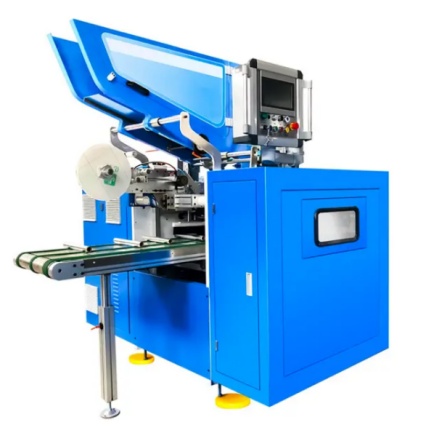
To begin manufacturing aluminium foil, you will need to invest in aluminium foil machinery. These machines are specialized equipment designed to process raw aluminium ingots into thin sheets of foil that can be rolled and cut into various sizes. Some of the key machines you’ll need include:
Aluminium Foil Rolling Mill: This is the core equipment for producing aluminium foil. It reduces the thickness of aluminium sheets by applying high pressure.
Slitting Machine: Used to cut large rolls of foil into smaller, more manageable widths.
Annealing Furnace: Used to soften the aluminium foil and remove internal stresses created during the rolling process.
Rewinding Machine: This machine rewinds the foil after slitting into neat rolls.
Cutting Machines: These machines cut the foil into the desired size based on customer needs.
Investing in high-quality, durable machinery will ensure that you can produce aluminium foil efficiently, while also meeting customer specifications.
Cost Considerations: Be prepared for a substantial initial investment. Aluminium foil machinery can range from several thousand dollars to millions, depending on the scale and complexity of your operation.
Machine | Purpose | Key Feature |
Aluminium Foil Rolling Mill | Reducing the thickness of foil | High precision, speed, and consistency |
Slitting Machine | Cutting foil into smaller widths | Adjustable for different widths |
Annealing Furnace | Softening and stress-relieving | Controlled heating for uniform results |
Rewinding Machine | Rewinding foil into rolls | High-speed operation |
The manufacturing facility plays a crucial role in your aluminium foil production. You need a space that allows for the safe operation of heavy machinery and provides enough space for storage, handling, and packaging of your products. Consider the following:
Location: Choose a location that is close to your raw material suppliers and has good access to transportation routes for distributing the finished products.
Layout: The layout of your facility should allow for efficient workflow, from the raw material receiving area to the final packaging and dispatching zones.
Safety Standards: Aluminium foil manufacturing can be hazardous due to the high temperatures involved in the process. Ensure that your facility complies with all health and safety regulations, and provide proper training for employees.
Once your manufacturing plant is set up and your products are ready, it’s time to focus on marketing and distribution. Consider the following strategies to ensure your aluminium foil business reaches potential customers:
Targeting Industries: Based on your research, focus on the industries that require large volumes of aluminium foil, such as food packaging companies, pharmaceutical manufacturers, and construction firms.
Branding: Position your brand as a high-quality and reliable supplier of aluminium foil. Offer flexibility in terms of custom sizes and thicknesses to meet specific customer requirements.
Sales Channels: Set up both offline and online sales channels to reach a broader audience. This may include direct sales teams, online marketplaces, and partnerships with wholesalers and distributors.
Quality control is essential in ensuring that the aluminium foil you produce meets industry standards and customer expectations. Invest in quality assurance processes to test the thickness, strength, and uniformity of the foil. Regular checks for defects, such as pinholes or uneven edges, will help you maintain high product standards.
As demand for your products increases, consider expanding your production capabilities by upgrading your machinery or opening additional manufacturing lines.
Starting an aluminium foil business offers immense potential, especially with the rising demand in packaging, construction, and food industries. By investing in high-quality machinery, selecting reliable raw material suppliers, and maintaining a focus on customer needs, you can build a successful business in this growing sector.
At www.foilmachinery.com, we understand the intricacies of the aluminium foil production process and offer cutting-edge machinery that ensures high-quality production. Whether you're just starting out or looking to expand your business, our expert team is ready to provide tailored solutions to meet your specific needs.
We invite you to reach out to us to learn more about our equipment and services and how we can help you get your aluminium foil business off the ground.
What machinery is required to start an aluminium foil business?
You will need an aluminium foil rolling mill, slitting machines, an annealing furnace, rewinding machines, and cutting machines.
How can I ensure the quality of the aluminium foil produced?
Implement quality control measures to test for defects in thickness, strength, and uniformity. Regular inspections during the production process will ensure consistency.
What industries use aluminium foil most?
Aluminium foil is widely used in food packaging, pharmaceuticals, construction, and various industrial applications, including electronics and automotive.
What is the initial investment required to start an aluminium foil business?
The initial investment includes costs for machinery, raw materials, facility setup, and labor. This can vary depending on the scale of the operation but typically requires substantial capital.


