Views: 0 Author: Site Editor Publish Time: 2026-09-30 Origin: Site
Balancing the initial capital outlay against aggressive go-to-market timelines remains the primary friction point in B2B manufacturing procurement. Buying industrial equipment is never a simple transactional purchase. Miscalculating delivery timelines or raw material minimums can stall your production lines for months. Worse, it can lock up critical cash flow when you need it most.
Successfully launching a foil packaging line requires a rigid evaluation of supplier timelines. You must understand the deep differences between standard and custom equipment constraints. Furthermore, you need to build realistic buffer periods for both factory testing and global logistics.
In this article, you will learn how to accurately forecast lead times for your manufacturing projects. We will explore how minimum order quantities impact your scaling strategy across machines, molds, and materials. You will also discover actionable frameworks to vet suppliers and prevent costly delays before your equipment even ships.
The technical specifications of your required equipment directly influence how long you will wait for delivery. Buyers often assume all presses require the same assembly time, but engineering realities dictate otherwise. You must align your production goals with realistic manufacturing cycles.
Off-the-shelf single-press machines follow a highly predictable manufacturing cycle. Builders often keep standard C-frame press frames in stock, meaning they only need to assemble the pneumatic systems and electrical panels. These standard configurations usually ship within 30 to 45 days.
Highly customized, high-tonnage H-frame multi-cavity lines tell a different story. These require custom casting, specialized stress-relief treatments for the frame, and complex servo-motor integration. Custom builds extend the manufacturing cycle significantly, often pushing lead times past 90 days.
| Equipment Type | Typical Lead Time | Design Complexity | Primary Use Case |
|---|---|---|---|
| Standard Single-Cavity | 30 - 45 Days | Low (Pre-engineered frames) | Basic takeaway containers, market testing |
| Standard Multi-Cavity | 45 - 60 Days | Medium (Standardized PLC logic) | High-volume standard rectangular pans |
| Custom High-Tonnage Line | 60 - 90+ Days | High (Custom casting, bespoke PLC) | Complex multi-compartment or heavy-gauge trays |
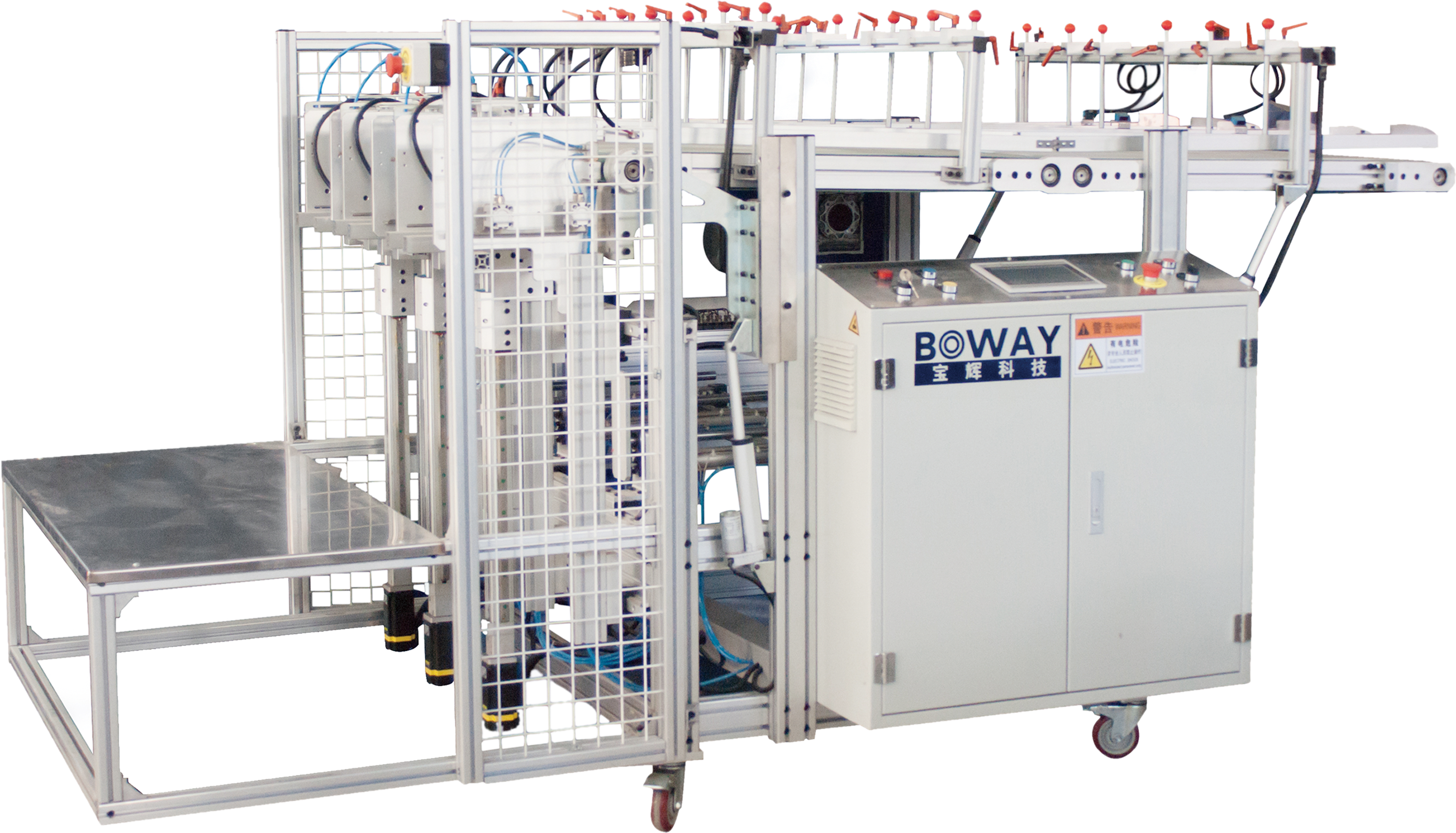
Adding automation drastically changes the engineering scope. Integrating an automatic with stacker feeding machine aluminum setup adds complexity to both the build and testing phases. Engineers must synchronize the press ejection timing with the stacker's collection rhythm.
While this integration potentially extends the overall lead time by one to two weeks, it serves a critical purpose. Proper synchronization during the build phase significantly reduces long-term labor costs and prevents localized jamming once the machine hits your factory floor.
Mold manufacturing is often the true bottleneck in equipment lead times. The CNC machining process for high-grade steel molds (such as Cr12MoV) requires precision milling, wire EDM cutting, and extensive polishing.
Standard rectangular takeaway containers use pre-engineered CAD templates, speeding up the process. Conversely, specialized designs require longer design approval and prototyping phases. If you want multi-compartment airline trays with custom embossing, expect the mold design phase alone to consume two to three weeks before cutting even begins.
Never accept a lead time quote that ignores testing. The quoted lead time must include three to five days of Factory Acceptance Testing (FAT).
Best Practice: Always demand that the FAT utilizes your specified foil gauge and alloy. Running a machine on generic 40-micron foil when you plan to use 70-micron heavy-duty foil will hide critical tension and cutting flaws. Insisting on rigorous FAT ensures zero defects before shipping, saving you weeks of troubleshooting on-site.
Procuring industrial equipment involves multiple interconnected supply chains. You are not just buying a machine; you are establishing a localized production ecosystem. Understanding the Minimum Order Quantity (MOQ) at each tier prevents sudden cash flow bottlenecks.
The MOQ for the primary aluminum foil container making machine is fundamentally one unit. However, you must carefully navigate the minimums applied to the broader automation ecosystem.
Suppliers often enforce minimums on essential spare parts kits, automated drop lubrication systems, and secondary stackers. For example, you might only need one press, but the manufacturer might require a minimum purchase of two set-tooling packages if you want a discounted maintenance tier. Always clarify what constitutes a "single complete set" in the contract.
Suppliers manage custom mold orders based on cavity count and complexity. You face a strategic decision: ordering a single complex, high-cavity mold versus multiple standardized, lower-cavity molds.
A single four-cavity mold carries a higher initial cost but optimizes the cost per unit. Some tooling manufacturers impose MOQs on bespoke mold bases. If you want rapid changeovers, you might need to order a minimum of two mold sets so one can undergo maintenance while the other runs.
A common oversight haunts new manufacturers: machine suppliers are almost never direct foil suppliers. You must align the arrival of your machinery with the delivery of raw aluminum jumbo rolls.
Foil mills enforce strict MOQs, typically ranging from one to five tons. This depends heavily on the specific alloy (like 8011 or 3003) and the micron thickness. If you fail to coordinate these separate MOQs, your brand-new machine might sit idle for a month waiting for specialized raw material to clear customs.
A successful launch relies on a structured, phase-by-phase timeline. Mapping out these stages prevents unrealistic expectations and keeps all stakeholders accountable during the setup of your facilities for aluminum foil food container making.
Choosing the right partner dictates the success of your timeline. Many buyers chase the fastest quoted delivery, only to suffer months of post-sale downtime due to poor engineering. Vetting requires a structural approach.
You must learn to identify red flags early in the negotiation process. If a supplier promises unrealistically short lead times—such as under 20 days for a custom automated line—they are likely outsourcing the build or skipping critical stress-testing phases.
Legitimate manufacturers manage queue times. They will honestly tell you if their assembly floor is at capacity. Always ask for a detailed Gantt chart. If they cannot break down the 60-day window into specific engineering tasks, they are guessing.
Handshakes do not prevent delays; legal frameworks do. We recommend building late-delivery penalty clauses into your purchasing contract.
A standard clause might deduct 0.5% of the final payment for every week the shipment is delayed past the agreed FAT date. This ensures strong supplier accountability. It forces them to prioritize your build over clients who did not negotiate protective terms.
Equipment requires continuous support. You must evaluate whether the aluminum foil container making machine supplier provides robust post-installation infrastructure.
Do they offer remote diagnostics via internet-connected PLCs? Can they provide English-language video manuals for routine maintenance? Will they send engineers for on-site commissioning? If a supplier lacks this infrastructure, a simple sensor misalignment could cause a three-week production halt.
Customs officials will impound machinery that lacks proper documentation. Ensure your chosen supplier can provide verifiable certifications relevant to your local jurisdiction.
You need CE marks for Europe, UL listings for North American electrical panels, or specific ISO certifications. Failing to align these compliance requirements before shipping results in severe terminal storage fees and devastating launch delays.
Even with perfect supplier execution, internal operational failures can derail your launch. Preparing your facility and your team requires just as much planning as vetting the equipment.
We strongly warn against waiting for the machine to arrive before upgrading your factory infrastructure. Industrial presses demand specific environmental conditions.
Common Mistake: Failing to verify the foundation. High-tonnage presses require reinforced flooring to absorb continuous vibration. Furthermore, you must pre-install the correct 3-phase power drops and high-capacity air compressors. Delaying site prep means your machine will sit in a crate for weeks while you wait for local contractors.
Automation does not eliminate the need for skilled operators. You must factor in a two- to three-week inefficiency period post-installation.
During this time, operators learn the tactile nuances of the equipment. They need time to master foil tension control, precision mold alignment, and the correct protocols for clearing automated stacker jams safely. Do not schedule aggressive fulfillment contracts during this initial learning curve.
Global supply chains remain volatile. We advise holding a localized buffer of critical wear parts immediately upon installation.
Order extra cutting blades, heating elements, and pneumatic cylinders alongside the main machine purchase. Relying on cross-border shipping for an emergency $50 replacement part can cost you thousands of dollars in lost production time. Build your localized buffer to survive standard maintenance intervals.
Successful procurement in the packaging industry relies on calculated foresight. As we have explored, planning your equipment investment is not about finding the absolute shortest lead time. Instead, it is about securing the most accurate, transparent, and structurally sound timeline available.
Understanding the interplay between machine specifications, tooling complexity, and raw material MOQs protects your cash flow. By enforcing rigorous FAT protocols and contract penalties, you hold suppliers accountable. Upgrading your site infrastructure early ensures you hit the ground running the moment the crates arrive.
For your next steps, we encourage you to strictly finalize your container dimensions and target daily production capacity. Once those metrics are locked in, request a comprehensive timeline audit and an itemized quote from your shortlisted manufacturers.
A: The average lead time spans 45 to 75 days for the manufacturing process alone. This depends heavily on custom mold complexity and automation integration. Additionally, you must factor in 20 to 40 days for sea freight and customs clearance before the equipment reaches your facility.
A: No. While some machine suppliers offer small starter rolls for testing, buyers generally source jumbo rolls directly from dedicated foil mills. This strategy secures better long-term pricing and material consistency, though you must prepare for the mills enforcing their own 1- to 5-ton MOQs.
A: Yes. Utilizing pre-engineered, standard molds—like those used for common 700ml rectangular takeaway pans—can entirely bypass the initial CAD design and custom CNC machining phases. This standardization typically saves you 1 to 2 weeks off the total manufacturing timeline.
A: Auto-stackers require precise calibration with the press ejection system to function correctly. You should expect to add 2 to 4 days to your on-site commissioning schedule. This dedicated time ensures seamless synchronization, preventing high-speed jams during continuous production runs.