
Views: 0 Author: Site Editor Publish Time: 2026-03-03 Origin: Site
The Aluminum Foil Rewinding Process plays a critical role in industries that use aluminum foil for packaging, food preservation, or manufacturing. By converting large rolls of aluminum foil into smaller, more manageable sizes, the rewinding process ensures that the material is ready for its intended use. Rewinding machines are specifically designed to improve production efficiency, reduce waste, and ensure the quality of the final product. With accurate tension control, consistent winding speed, and precise measurements, these machines help maintain the integrity of the material. In this article, we’ll break down the aluminum foil rewinding process, the key components of rewinding machines, and why this process is essential for achieving high-quality production and optimal performance.
The aluminum foil rewinding process involves several stages, from unwinding large rolls of aluminum foil to rewinding them into smaller rolls for further use. Let’s walk through the main stages of this process:
The first step in the rewinding process is to load the large, full-width roll of aluminum foil onto the rewinding machine. These rolls can be quite large and are often used as raw materials in various industries, including packaging and food production.
Preparation for Unwinding: The aluminum foil roll is securely mounted on the unwinding shaft. The machine is set to the appropriate tension to avoid damage as the material is unwound.
Tension Control During Unwinding: Ensuring that the foil unwinds smoothly and evenly is crucial. If the tension is too high, the foil may tear; if it’s too low, the foil may form wrinkles or be unevenly wound, affecting the final product.
Unwinding the Foil: The material is fed into the rewinding machine, where it is pulled through rollers to control its speed and tension as it unspools.
One of the most critical aspects of the aluminum foil rewinding process is maintaining proper tension. Tension control ensures that the material is wound smoothly, avoiding defects such as wrinkles, tears, or uneven winding.
Types of Tension Control Systems: There are two main types of tension control systems used in rewinding machines:
Manual Tension Control: The operator adjusts the tension manually to ensure even winding.
Automatic Tension Control: More advanced machines use automatic tension control systems, which utilize sensors to adjust tension dynamically throughout the rewinding process.
Why Tension Control is Essential: Proper tension helps ensure the aluminum foil maintains its integrity, ensuring smooth, defect-free rolls. Without proper tension control, the foil could be damaged, leading to poor-quality end products.
Adjustment of Tension: For automatic systems, tension is adjusted automatically based on feedback from tension sensors. For manual systems, operators may need to monitor the material and adjust tension as needed.
Tension Control Type | Advantages | Disadvantages |
Manual Tension Control | Cost-effective, simpler to operate | Requires frequent adjustments |
Automatic Tension Control | Consistent tension, reduces manual effort | Higher initial cost, more complex setup |
After the foil has been unwound and the tension has been set, the next step is winding the aluminum foil into smaller rolls. This step is key to ensuring the material is easy to handle and store for further use.
Roller and Mandrel Function: The aluminum foil is guided onto a mandrel, which is the core around which the foil is wound. Rollers help ensure that the foil is wound evenly and securely onto the mandrel.
Adjustable Mandrels: The mandrel size may need to be adjusted depending on the desired final roll size. Larger rolls require larger mandrels, while smaller rolls require smaller mandrels. The flexibility in mandrel sizes ensures that the rewinding process can be customized to different production needs.
Winding Quality: During this stage, the rewinding machine ensures that the aluminum foil is wound tightly and uniformly. This is essential to prevent issues like wrinkles or uneven thickness, which could affect the performance or appearance of the final product.
Once the aluminum foil is rewound into smaller rolls, it is important to perform quality checks to ensure the material meets the desired standards.
Visual Inspection: Operators perform a visual inspection of the finished rolls to check for any defects such as wrinkles, creases, or uneven winding.
Thickness and Tension Inspection: Measuring the thickness of the foil and ensuring the tension is consistent throughout the roll is crucial. Any inconsistencies can lead to quality issues in later stages of production.
Final Product Testing: Some systems may include automated quality control processes that test the material’s physical properties, ensuring it meets the required specifications before being packaged or sent to customers.
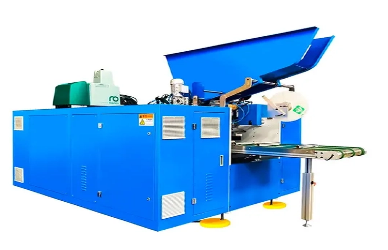
A rewinding machine consists of several essential components that work together to ensure smooth and efficient operation. Below are the key parts of a rewinding machine:
Rollers: These components guide the material through the machine and control its alignment. The rollers ensure that the material remains smooth and evenly wound during the process.
Mandrels: The mandrels are the central shafts around which the material is wound. Adjustable mandrels allow the machine to accommodate different roll sizes.
Tension Control System: This system is vital for ensuring the foil is wound with the correct tension. It helps maintain consistent quality by preventing defects like wrinkles or tears.
Motor and Drive Mechanism: The motor provides the power needed for the rewinding process, while the drive system transfers this power to the rollers and mandrels to move the material through the machine.
Component | Function | Importance |
Rollers | Guide and align material | Ensure even and smooth winding |
Mandrels | Central shaft for winding | Ensure correct roll size |
Tension Control | Maintains tension on the material | Prevent defects like wrinkles |
Motor & Drive System | Provides power for the rewinding process | Essential for operation and speed |
The aluminum foil rewinding process is used in a variety of industries where aluminum foil is a critical component. Some of the common applications include:
Packaging Industry: Aluminum foil is often used in the packaging of food, pharmaceuticals, and consumer goods. Rewound rolls are easier to handle and use in packaging machines.
Food Preservation: Rewound aluminum foil is commonly used in the food industry to wrap and preserve food products. Smaller rolls of foil are more convenient for use in household and industrial food wrapping machines.
Medical and Pharmaceutical Industries: Aluminum foil is used in the packaging of pills, blister packs, and other pharmaceutical products. The rewinding process ensures the material is in a manageable form for packaging.
Consumer Goods: Other uses include wrapping materials for various consumer products like chocolate, cigarettes, and more.
Tension control ensures that the aluminum foil is wound evenly and without defects. It prevents issues like stretching, wrinkles, or tears by maintaining consistent tension throughout the winding process, ensuring high-quality results with minimal material waste.
Tension can be adjusted manually or automatically, depending on the machine. Manual systems require operators to monitor and adjust settings based on visual cues, while automatic systems use sensors and feedback loops to adjust tension automatically for more consistent results.
Regular maintenance ensures that the rewinding machine operates smoothly, preventing issues like uneven winding, motor failure, and excessive wear. Consistent maintenance helps extend the machine's lifespan, reduce unexpected downtime, and improve the overall production efficiency.
Yes, rewinding machines can often handle different materials, such as plastic films, paper, or metal foils, provided the machine is set up correctly for each material. It is essential to adjust settings like tension, speed, and roll size to suit each material type for optimal performance.
The Aluminum Foil Rewinding Process is a crucial step in the manufacturing and packaging industries, enabling large rolls of aluminum foil to be converted into smaller, more manageable sizes that are suitable for various applications. This process is essential for industries such as food packaging, pharmaceuticals, medical supplies, and consumer goods. By breaking down large rolls into manageable ones, the rewinding process ensures that the material is easier to handle, store, and use in other production steps.
Understanding the different stages of the process, from unwinding the large rolls to ensuring quality through quality checks, helps manufacturers produce high-quality products that meet customer expectations. Each phase plays a key role in ensuring that the final product is free from defects like wrinkles, inconsistent thickness, or material damage. The right rewinding machine, combined with effective tension control, winding quality adjustments, and regular inspections, can improve overall production efficiency, reduce material waste, and enhance the consistency of the final output.
Investing in high-quality equipment and maintaining a consistent, well-regulated rewinding process will not only boost production efficiency but also contribute to long-term cost savings by minimizing material waste and reducing the frequency of repairs. Ultimately, the aluminum foil rewinding process serves as a critical foundation for ensuring that products are produced to the highest standards while meeting the diverse needs of various industries.


 Conclusion

