Views: 0 Author: Site Editor Publish Time: 2026-08-31 Origin: Site
Procuring a rewinding and slitting equipment system is a high-stakes capital investment. Specification misalignments directly impact production timelines and unit economics. Equipment failure disrupts supply chains and erodes profit margins. Beyond theoretical output speeds, the real return on investment depends on mechanical reliability. Tension control stability dictates your roll quality. Changeover efficiency determines your daily throughput capacity. Long-term part durability prevents unexpected line stoppages.
This checklist provides an evidence-based evaluation framework. It helps procurement teams and facility managers bypass sales fluff. We will help you vet equipment based on operational realities. You will learn how to differentiate between essential features and unnecessary add-ons. By the end of this guide, you will know exactly how to structure your procurement strategy. You can confidently write a rigorous request for quotation and secure reliable production assets.
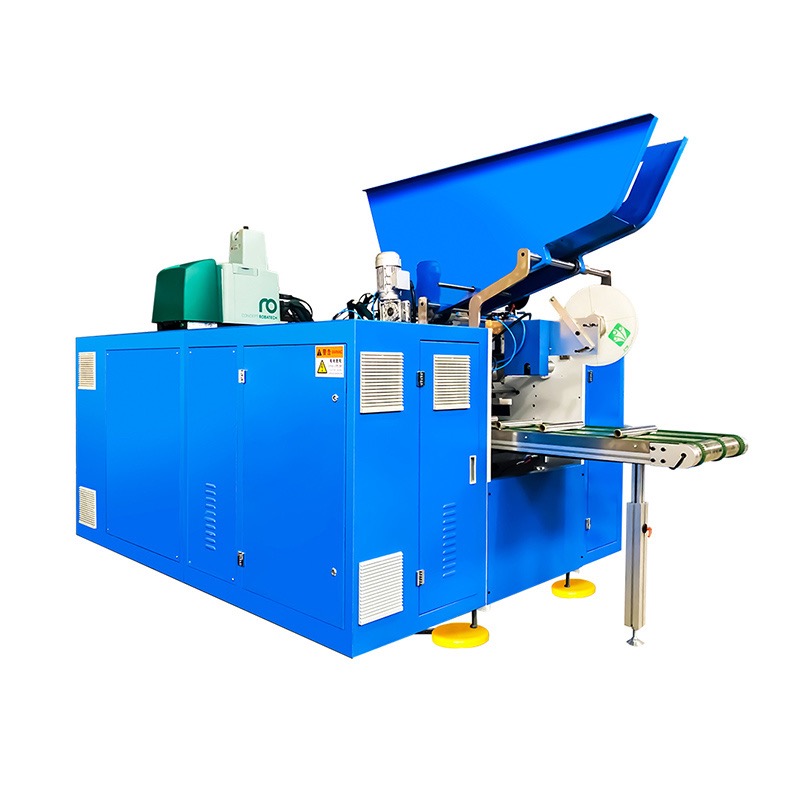
Procurement teams must standardize production requirements before approaching manufacturers. This preparation prevents over-buying or under-specifying your next consumer packaging household aluminum foil machine. Manufacturers often push top-tier models, but your facility might only need a mid-range solution. We recommend auditing your current workflow constraints first. Identify exact downstream packaging speeds. Match your rewinder output to your cartoning machine capacity.
You must differentiate between maximum mechanical speed and realistic operational speed. Advertised metrics often assume perfect running conditions. Real-world operations look much different. Operators must pause machines for glue refills. Automatic core feeding mechanisms occasionally misalign. Raw film splicing takes minutes away from active production. A machine rated for 150 meters per minute might only average 110 meters per minute during a standard eight-hour shift. Calculate your return on investment using this lower operational baseline.
Define your market-specific parameters clearly in your initial specification sheets. Different consumer markets demand varying roll lengths. European and North American buyers often expect 5m to 300m roll variations. You must also define acceptable foil thickness tolerances. Standard kitchen foil typically ranges from 9 to 20 microns. Heavy-duty catering rolls require thicker material profiles. Determine your compatible paper core diameters early. Standardizing your paper cores reduces changeover downtime.
Evaluate integration readiness before finalizing your purchase. Your new rewinder must communicate smoothly across existing consumer packaging workflows. Standalone machines require excessive manual labor for offloading. Modern production environments rely on auto-cartoning and shrink-wrapping integration. Assess the outfeed conveyor height. Confirm signal compatibility between your rewinder and your secondary packaging lines. Seamless integration eliminates downstream bottlenecks.
Reviewing technical features ensures you purchase a mechanically sound asset. Properly evaluating household aluminum foil machine specifications separates reliable workhorses from frequent breakdown liabilities.
Tension control systems dictate overall product quality. You must compare magnetic powder brakes against pneumatic or servo-driven tension controllers. Entry-level machines often utilize magnetic powder brakes. These basic systems struggle during rapid acceleration. Advanced servo-driven controllers monitor web tension continuously. They adjust speeds in milliseconds. Poor tension control leads directly to telescoping rolls. Telescoping ruins the roll edge and creates massive material waste. Invest in superior tension management to protect your profit margins.
Assess the reliability of gluing and core feeding mechanisms. Auto-gluing systems typically use hot melt adhesives or standard cold glues. Hot melt systems provide immediate tack. They prevent raw foil from slipping around the paper core during initial rotation. However, hot melt nozzles require frequent cleaning. Standard adhesives run cooler but take longer to set. Evaluate the jam-rate of automatic core feeding hoppers. Cheap hoppers frequently crush lightweight paper cores. Demand a feeding system utilizing precision-guided channels.
Investigate slitting and cutting precision carefully. Blade metallurgy separates premium equipment from budget alternatives. High-speed steel (HSS) blades lose their edge quickly when cutting abrasive aluminum. Tungsten carbide blades cost more upfront. They last exponentially longer between sharpening cycles. You must also evaluate the ease of adjusting blade positioning. Operators need to switch between different roll widths seamlessly. Cumbersome blade shafts inflate changeover times.
Demand open-architecture PLC systems for your automation logic. Brands like Siemens or Mitsubishi offer globally recognized programming platforms. Some manufacturers install proprietary, closed-loop software. Proprietary software creates vendor lock-in. You cannot hire independent technicians to troubleshoot closed-loop systems. Open-architecture PLCs guarantee you can source replacement relays, screens, and programming support locally.
Tension System Comparison Chart
| System Type | Initial Cost | Maintenance Level | Web Control Accuracy | Best Application |
|---|---|---|---|---|
| Magnetic Powder Brake | Low | High (Powder replacement) | Moderate | Low-speed, entry-level production |
| Pneumatic Controller | Medium | Medium (Air line checks) | Good | Standard mid-speed rewinding |
| Servo-Driven Tension | High | Low (Software based) | Excellent | High-speed, commercial automation |
Facility managers eventually face a critical decision. They must choose between standard off-the-shelf configurations and customized builds. Standard machines ship faster and cost less. However, they force you to adapt your workflow to the machine. A custom household aluminum foil machine adapts directly to your specific facility constraints.
Multi-material versatility often justifies customization costs. Many packaging plants process more than just aluminum. You might need to run baking parchment, PE cling film, or heavy-duty catering foil on the same line. Different substrates require vastly different web guiding pressures. Cling film stretches easily. Aluminum foil snaps under sudden tension. Custom machines utilize interchangeable dancer rollers and adjustable unwind stands. This modularity allows operators to switch materials without buying entirely separate production lines.
Footprint and layout adaptations solve major spatial challenges. Standard rewinders require long, linear floor spaces. Many older facilities feature constrained floor plans. Custom engineering can alter the web guiding path. Manufacturers can build L-shaped outfeed trajectories. They can elevate electrical cabinets to save floor space. Do not compromise your forklift aisles just to fit a standard machine frame.
You must weigh the upfront premium of a custom build against long-term savings. A bespoke machine might cost thirty percent more initially. However, it often eliminates the need for secondary processing equipment. Custom automation can integrate shrink wrapping and box sealing directly into the primary outfeed. This integration reduces your daily headcount requirements. Lower labor overhead quickly offsets the initial engineering premium.
Blade Material Evaluation Breakdown
| Blade Material | Durability Rating | Sharpening Frequency | Cost Impact |
|---|---|---|---|
| Standard Carbon Steel | Low | Weekly | Extremely Low |
| High-Speed Steel (HSS) | Moderate | Monthly | Moderate |
| Tungsten Carbide | Very High | Semi-Annually | High Premium |
Procurement teams frequently encounter post-installation regrets. Evaluating a household aluminum foil machine based purely on a brochure leads to operational disasters. You must anticipate real-world implementation risks.
We constantly warn buyers against the "nameplate speed" trap. Evaluating machines solely on advertised RPM is dangerous. Advertised speeds occur in controlled test environments. In reality, pneumatic wear-and-tear bottlenecks your output. Glue-line blockages force operators to halt production. Foil tearing at maximum speed requires tedious manual re-threading. Target a machine capable of exceeding your needed capacity by twenty percent. Run it at eighty percent of its maximum rated speed. This strategy preserves mechanical longevity.
Address the hidden costs of inaccessible mechanical parts. Engineers sometimes design compact machines at the expense of accessibility. Cramped machine frames inflate routine maintenance downtime. Mechanics cannot easily reach drive belts or grease bearings. Poor ergonomic design frustrates your maintenance staff. Ask manufacturers for mechanical layout drawings. Ensure your team can access all major service points without dismantling the entire chassis.
Electrical compliance failures represent a massive financial risk. Never import machines lacking genuine CE, UL, or ISO certifications. Counterfeit certification marks run rampant in the industrial equipment sector. Uncertified electrical panels fail facility safety audits. Worse, they can void your corporate insurance policies. Demand original certificates from testing laboratories. Verify the serial numbers online before authorizing the final shipment.
Finding a reliable manufacturing partner requires aggressive due diligence. You must rigorously audit your household aluminum foil machine supplier before signing contracts. Do not rely on flashy marketing videos. Verification beyond the brochure is mandatory.
Vet a manufacturer's claims through independent reference checks. Ask for contact information from three previous buyers in your region. Call these references and ask about post-sale support. If on-site visits remain impossible, schedule live-video operational audits. Request a custom demonstration. Ask the engineers to simulate an emergency stop during the video call. Watch how the tension system reacts when the machine restarts.
The Factory Acceptance Test (FAT) serves as your final safety net. Never skip this step. Establish a mandatory FAT checklist before transferring your final payment.
Demand strict Service Level Agreements (SLA) regarding post-sale support. Clarify the exact lead times for high-wear components. Blades, drive belts, and specialized relays must ship within 48 hours of failure. Require comprehensive operating manuals. These manuals must feature accurate translations into your native language. Poorly translated schematics cause massive confusion during emergency repairs.
Securing the right equipment requires prioritizing mechanical stability over the lowest initial purchase price. Open-source automation prevents vendor lock-in. Verifiable safety standards protect your facility and your workforce. Remember, sustainable uptime generates far more profit than theoretical maximum speeds.
Advise your internal stakeholders to consolidate their requirements immediately. Document your exact foil thicknesses, paper core sizes, and target daily capacities. Compile these details into a rigid Request for Quotation (RFQ) document. Initiate supplier dialogues only after finalizing this framework. This disciplined approach eliminates miscommunication and guarantees you purchase the correct rewinding asset.
A: Blade lifespan varies heavily based on the material and foil thickness. Standard high-speed steel blades require sharpening monthly. Tungsten carbide blades can run for six months before needing replacement. Always prioritize machines featuring easy-change blade cassettes to minimize maintenance downtime.
A: Yes, one machine can handle both profiles. However, this flexibility requires specific tension control upgrades. You also need heavy-duty unwinding shafts to manage larger master rolls safely. Operators must adjust web tension parameters carefully when switching between these vastly different substrate weights.
A: Realistic lead times depend on machine complexity. Standard off-the-shelf specifications typically require 30 to 60 days for assembly and testing. If you request custom automation integration or specialized outfeed conveyors, expect lead times extending between 60 and 90 days.
A: Industry norms vary by manufacturer. Premium suppliers dispatch engineering teams globally for on-site setup. You must explicitly negotiate commissioning terms into your final contract. Ensure the contract covers travel costs, daily engineer stipends, and comprehensive operator training sessions.