Views: 0 Author: Site Editor Publish Time: 2026-07-27 Origin: Site
A foil tray looks simple, yet its shape requires controlled precision. One poor feed can wrinkle foil, damage rims, and create costly scrap. An aluminium foil container machine solves this through a synchronized forming line. In this article, you will learn each production stage, key quality controls, and practical ways to improve output.
● The main stages are unwinding, accurate feeding, lubrication, pressing, forming, trimming, ejection, stacking, and scrap collection.
● The mould defines the container’s dimensions, depth, compartments, wall pattern, rim, embossing, and cutting profile.
● Stable production depends on more than press speed. Foil quality, cavity count, feeder accuracy, stacker performance, changeovers, and accepted-product rates also matter.
● Automatic lines reduce repeated handling and improve consistency. However, they still need trained operators, planned maintenance, and regular quality checks.
● A capable supplier should support mould design, line matching, commissioning, training, maintenance planning, and future product changes.
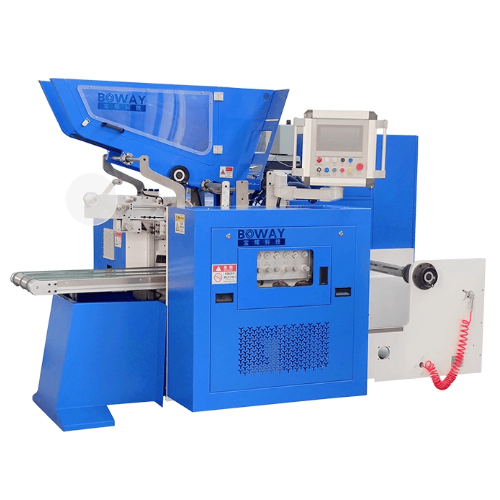
● An aluminium foil container machine turns a jumbo foil roll into finished containers through a continuous, synchronized process.
Production starts with foil suited to the container design. Its thickness, temper, surface condition, and forming behaviour affect strength and shape.
A shallow bakery tray usually needs less drawing than a deep meal container. The material must remain stable while the mould creates corners, walls, and rims without tearing.
Operators mount a jumbo roll on the unwinding unit. The system releases foil at a controlled rate while keeping the web flat.
Stable tension prevents slack, wrinkles, and sideways movement. These problems can enter the press and cause poor forming, uneven trimming, or unexpected stoppages.
A servo feeder advances a measured foil length before each press cycle. It must place the foil in the same position every time.
Accurate feeding improves mould registration and limits unnecessary edge waste. It also supports repeatable cutting when several cavities share one foil layout.
The line applies a controlled layer of stamping oil before the foil reaches the mould. Lubrication reduces friction as the metal moves across forming surfaces.
It can improve release and protect mould contact areas. Too little oil may cause sticking, while excessive oil can create handling and cleanliness problems.
The press closes the upper and lower mould sections around the foil. During this cycle, the mould draws the base, forms the walls, shapes the rim, and creates surface details.
Cutting edges then separate the container from the surrounding foil web. Pressure, stroke, clearance, and timing must match the foil and mould.
After forming, air or mechanical ejectors release each container from the mould. The containers move toward a conveyor or automatic stacker.
A stable stacker collects them without crushing rims or scratching surfaces. Neat stacks simplify counting, inspection, packing, transportation, and storage.
Cutting leaves a continuous aluminium skeleton around the finished shapes. A scrap collection device removes it from the working area.
Some systems also compress the scrap for easier handling and recycling. Reliable collection prevents loose material from blocking production or creating an unsafe workspace.
Production stage | Main machine action | Main quality concern |
Unwinding | Releases the foil roll evenly | Wrinkles and unstable tension |
Feeding | Positions foil for each stroke | Misalignment and excess waste |
Lubrication | Reduces forming friction | Sticking or excess oil |
Forming and trimming | Shapes and cuts containers | Tears, poor rims, weak corners |
Ejection and stacking | Releases and collects products | Deformation and stack jams |
Scrap collection | Removes the remaining foil web | Line blockage and mixed waste |
Tip:Before ordering a line, send the supplier approved tray drawings, foil details, lid requirements, and target output.
The press provides the force and repeatable movement needed for forming and cutting. Its capacity, stroke, table size, and mounting space must suit the mould.
These units prepare and position the foil before each stroke. The uncoiler manages the roll, while the feeder controls movement.
The lubrication system reduces friction. A PLC coordinates the sequence, monitors settings, and helps operators manage production from one control point.
The mould creates the product, but downstream equipment completes the process. Ejection systems release the container, conveyors transfer it, and stackers arrange it.
The scrap collector removes the surrounding web. Each part must match the product size, cavity layout, and planned output.
A single-cavity mould makes one container per press stroke. It may suit larger trays or lower output needs.
A multi-cavity mould makes several smaller containers during one stroke. It can raise output, although it also increases demands on foil layout, press capacity, ejection, and stacking.
Mould geometry controls wall appearance and container complexity. It can create wrinkle-wall trays, smoother walls, deep corners, or divided meal sections.
Each design changes how the foil flows. Complex products often need more careful control of pressure, lubrication, material, and release timing.
The mould determines length, width, depth, capacity, rim profile, and compartment layout. It may also create embossed branding or surface patterns.
Producers should confirm lid fit and nesting behaviour before approving the tool. A visually correct tray can still fail when its rim or stack geometry is wrong.
Feed length decides where the mould closes on the foil web. Incorrect movement can create incomplete cuts, overlapping patterns, or wasted material.
Operators should check guides, rollers, and servo settings after roll changes. Small alignment errors can become expensive during long production runs.
The press must provide enough controlled force to form details and trim cleanly. Excessive or poorly timed force can damage foil or tooling.
Speed should match the container depth, foil behaviour, cavity count, and stacking capacity. Faster cycling adds little value when rejects or jams increase.
Lubrication must remain even across the required forming area. Ejection air and timing must release products without bending them.
When containers stick, operators should inspect oil coverage, mould condition, air pressure, and timing before raising force. Random adjustment can hide the real cause.
Output depends on the number of containers formed per stroke and collected afterward. A multi-cavity tool needs enough stacking channels and transfer capacity.
Otherwise, finished trays may collide or jam. The press, feeder, mould, stacker, and packing method should share one realistic output target.
Note:Compare usable containers per shift, not only advertised strokes or theoretical pieces per hour.
Before continuous production, the first finished containers should be checked against the approved sample. Inspect dimensions, weight, depth, rim shape, wall definition, embossing, and lid fit.
The stack should also remain straight. Full-speed production should begin only after the setup produces repeatable results.
Tears may come from unsuitable foil, high friction, sharp tooling, or incorrect settings. Distorted rims can result from poor alignment or ejection.
Uneven walls may point to pressure or material-flow problems. Oil marks, double feeding, and unstable stacks should be traced to their process stage.
Sensors can confirm foil position, machine status, and abnormal operating conditions. Operators should also record scrap, rejects, stoppages, and changeover time.
These records reveal patterns that a simple final inspection may miss. A rising jam rate often signals wear or misalignment before a major failure.
A fully automatic line links feeding, forming, trimming, stacking, and scrap removal. Less-automated systems may require more manual transfer or collection.
People still manage roll changes, mould setup, inspection, packing, cleaning, and maintenance.
Automatic production can improve repeatability and keep stages synchronized. It is usually more attractive for stable, higher-volume orders.
The business case still depends on uptime, scrap, labour, energy, mould costs, and demand. A faster line is not economical when orders remain irregular.
Full automation fits producers serving regular demand for takeaway trays, bakery pans, catering containers, or ready-meal packaging.
It works best when container specifications are clear and production runs are long enough. Frequent short runs may require stronger focus on quick mould changes and flexible stacking.
Mould layout determines how many containers fit across the foil width. Engineers should balance cavity count, trim spacing, edge waste, and press demand.
Accurate feeding then keeps the layout registered. More cavities do not guarantee better yield when spacing or scrap patterns are inefficient.
The skeleton scrap should leave the press continuously and remain separate from other waste. Organised collection keeps the floor cleaner and supports recycling.
Compression can reduce storage volume. Producers should also measure scrap by product, because poor layouts or frequent setup losses may hide inside total usage.
Preventive maintenance should cover feeder rollers, guides, press lubrication, mould surfaces, cutting edges, sensors, ejectors, stackers, and scrap equipment.
Cleaning and scheduled inspection help prevent defects and stops. Records support faster troubleshooting when faults return.
Note:Ask for maintenance schedules, spare-parts guidance, operator training, and commissioning support before equipment acceptance.
Aluminium foil containers are made through controlled feeding, lubrication, pressing, forming, trimming, stacking, and scrap collection. Each stage must match the foil, mould, container design, and required output. BOWAY supplies automated lines featuring precise feeding, flexible mould options, stable control, and organised scrap handling. Its engineering, customisation, consulting, installation, commissioning, and maintenance support help producers protect long-term value.
A: An aluminium foil container machine forms containers.
A: A press closes a mould around foil.
A: They control shape, depth, rims, compartments, and cutting.
A: Aluminium foil container machine cost depends on automation, press, and moulds.
A: It improves repeatability and supports higher-volume orders.
A: An aluminium foil container machine wrinkles foil from tension or alignment errors.