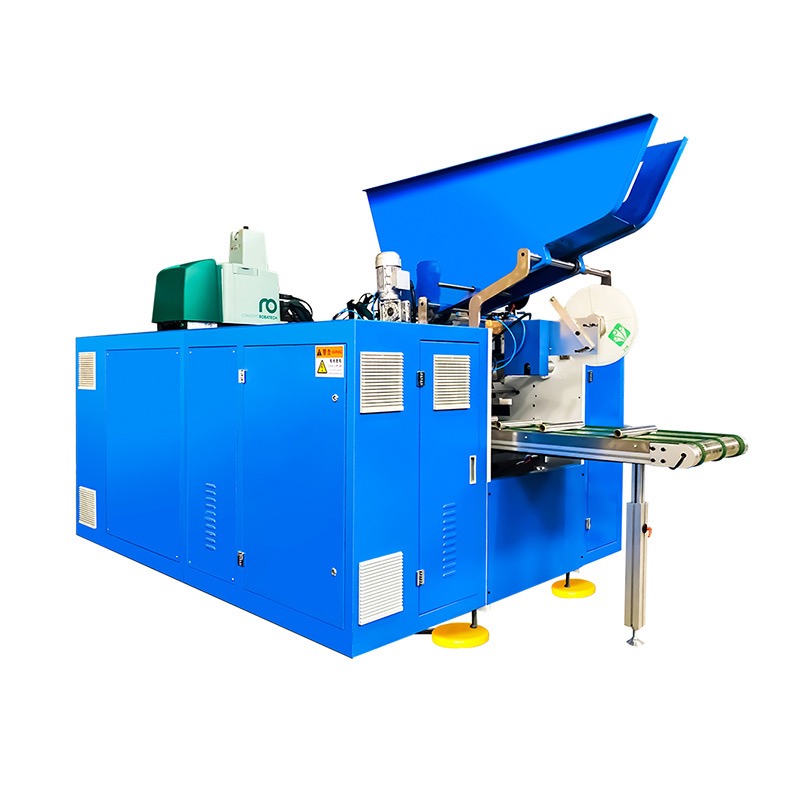
Views: 0 Author: Site Editor Publish Time: 2026-08-13 Origin: Site
Manual packaging of heavy, shifting foil rolls consistently creates operational bottlenecks on the factory floor. Workers struggle to maintain pace during peak production shifts. This often leads to crushed carton corners, misaligned cutting blades, and inconsistent presentation on retail shelves. Upgrading to an automated setup is a critical capital expenditure decision. You need perfect alignment between production speed, equipment reliability, and ultimate packaging quality. Poor integration severely impacts your daily margins and operational flow. This comprehensive guide dissects the technical specifications, real-world implementation challenges, and supplier evaluation criteria you need. You will learn how to validate this investment effectively for your packaging line. We explore how modern automation secures product integrity. You can finally boost throughput without sacrificing the precision required for retail-ready packaging.
Manual loading processes carry severe hidden costs. Facilities relying on human labor face constant efficiency drops. Heavy foil rolls cause repetitive ergonomic injuries over time. Wrist strain and muscle fatigue slow down operators during long shifts. High reject rates inevitably occur when humans rush to meet production quotas. Operators drop rolls, mishandle carton flaps, and misalign inserts. Crushed cartons waste expensive packaging materials and disrupt downstream palletizing. Every manual error chips away at your daily operational profitability.
Automated cartoning solves critical retail presentation issues. Consumers demand flawless boxes. Automated systems ensure highly uniform glue application. They provide precise flap tucking every single cycle. Heavy aluminum rolls carry significant kinetic energy. They easily burst through weak carton ends during rough transit. Precision automation prevents this costly failure. Automated flap folding creates a rigid, perfectly square structure. Consumers receive intact boxes on the store shelf. Better shelf appearance directly builds consumer brand trust.
Material yield improves dramatically under automated control. Precision product insertion minimizes unpredictable carton jams. Servo-driven pushers slide the roll into the carton gently. You reduce wasted cardboard instantly. Damaged foil rolls become incredibly rare. Every saved roll directly increases your bottom line. Consistent machine motions protect both the primary product and the secondary packaging. You maximize the usable output from every massive raw material spool.
Throughput speed rarely equals actual production yield. You must differentiate between mechanical speed and sustainable operational speed. Equipment brochures might advertise 150 cartons per minute. However, running at maximum speed often compromises hot melt glue set times. If the glue cannot cool properly, flaps pop open downstream. You must balance machine speed to maintain perfect box integrity. Operating slightly below maximum speed often yields a higher Overall Equipment Effectiveness (OEE). Fewer jams mean higher actual output at the end of the day.
Format range dictates your daily production flexibility. Handling multiple roll lengths requires agile equipment. A 12-inch standard consumer roll behaves very differently than an 18-inch heavy-duty variant. You need tool-less, recipe-driven changeovers. Verify critical foil roll cartoning machine specifications before purchasing. Check the maximum and minimum carton dimensions carefully. PLC brand familiarity matters greatly for your maintenance team. Ensure the equipment utilizes recognized platforms like Allen-Bradley or Siemens. High-quality pneumatic system reliability ensures smooth, repeatable actuator movements during continuous runs.
Blade and insert handling presents a unique packaging challenge. You must securely feed sharp metal or plastic cutting edges into tight carton clearances. Standard cartoning equipment often fails here. A specialized retail packaging foil roll cartoning machine reliably seats the blade. It prevents the sharp edge from jamming the production line. Precision blade feeding protects the cardboard from internal slicing. It also prevents consumer injuries upon first opening. The machine must hold the carton rigid while the blade mechanism completes the insertion stroke.
Pre-engineered configurations work exceptionally well for many facilities. They suit high-volume, standard retail consumer wraps perfectly.
Unique production demands require specialized engineering. A custom foil roll cartoning machine addresses non-standard configurations. You need this approach for heavy institutional catering sizes. Multipacks and unusual carton board materials demand bespoke mechanical design. Heavy catering rolls require reinforced flight chains and larger servo motors. Evaluate the required engineering lead time carefully. Assess integration capabilities with your upstream rewinders. Downstream case packers must also align perfectly with the customized outfeed height. Custom builds take longer but deliver exact, uncompromising functionality.
Available floor space dictates your integration success. Analyze your facility layout carefully. You must decide if the line requires an inline or right-angle infeed transfer. Inline systems require long, straight factory footprints. Right-angle systems utilize pushers to save space but introduce mechanical complexity.
| Layout Configuration | Primary Advantage | Key Limitation | Ideal Application |
|---|---|---|---|
| Inline Infeed | Smoother product transition at high speeds. | Requires a very long, straight floor plan. | High-speed consumer roll packaging. |
| Right-Angle Infeed | Highly compact footprint. Fits tight spaces. | Transfer mechanisms can limit top speeds. | Facilities with limited square footage. |
Upstream synchronization remains vital. Rewinder bottlenecks instantly stop the entire cartoning line. The cartoner relies entirely on consistent product delivery. It needs precisely wound and neatly glued rolls to function. If the rewinder tension fails, the roll unwinds before entering the carton. The cartoner then crashes. You must install accumulation buffers between the rewinder and the cartoner. Buffers absorb minor upstream micro-stoppages.
Operator skill gaps cause significant adoption friction. You are transitioning from manual packers to sophisticated machine operators. Comprehensive Human-Machine Interface (HMI) training becomes strictly necessary. Operators must handle minor mechanical faults independently. They need confidence navigating touch screens to clear alarms. Do not underestimate the learning curve. Invest heavily in localized, hands-on training during the initial installation week.
Maintenance realities require highly transparent expectations. Mechanical components wear out naturally. You must stock appropriate spare parts immediately.
Common maintenance wear parts include:
Implement strict routine sanitation schedules. Glue buildup causes severe mechanical failures if left uncleaned. Dust from cardboard blanks accumulates quickly inside the chassis. Daily compressed air cleaning prevents sensor blockages.
Compliance and safety standards are non-negotiable. Verify that the equipment meets CE, UL, or OSHA-compliant safety guidelines. Check the physical Lexan guarding carefully. Test all door interlocks. Opening a guard door must halt the machine instantly. Test emergency stop protocols thoroughly. A safe machine protects your workers and prevents costly liability claims.
Demand a rigorous Factory Acceptance Testing protocol. Never approve shipment based on standard demo videos.
Complete these steps before signing the final approval document. Uncovering a mechanical flaw during the FAT saves weeks of on-site modification.
Service Level Agreements protect your long-term uptime. Evaluate their remote troubleshooting capabilities. Ensure they offer secure VPN access for quick PLC diagnostics. Remote engineers can fix software bugs in minutes. Assess their localized spare parts inventory. Overseas shipping delays keep your production line down for weeks. You need guarantees on next-day parts delivery for critical components.
Conduct thorough reference checks early in the process. Ask the foil roll cartoning machine supplier for relevant case studies. Demand direct references from similar continuous-roll packaging facilities. Call these references directly. Ask about actual uptime metrics. Inquire about the vendor's responsiveness during emergencies. Validate their sales claims directly with past buyers. Real-world feedback reveals the true quality of the equipment.
Automating your packaging line is an operational necessity. You must scale retail distribution without constantly scaling manual headcount. Base your final purchasing decision on a verifiable matrix of OEE potential. Scrutinize specific machine capabilities and changeover times. Evaluate the long-term support infrastructure of the manufacturer closely. Look beyond the initial sticker price to ensure lasting reliability. Schedule a comprehensive capability audit today. Submit your carton blanks and foil samples to vendors. Request a customized throughput analysis. Take definitive action to secure a highly efficient, future-proof packaging line. A robust foil roll cartoning machine ultimately elevates your entire production floor.
A: Facilities typically see a full return on investment within 12 to 24 months. This rapid payback stems directly from massive labor offsets. You can reassign manual packers to higher-value tasks. Substantial waste reduction also accelerates the payback period. Precise automation eliminates crushed cartons and wasted foil material entirely.
A: Yes, versatile machines handle both materials effectively. However, you need highly adjustable infeeds to accommodate varying roll weights. Cling film is much lighter and softer than dense aluminum foil. The equipment must allow gentle handling adjustments to prevent film deformation during the insertion process.
A: A realistic benchmark for a format changeover is 15 to 30 minutes. Modern machines utilize digital indicators and recipe-driven servo motors. These features guide operators accurately. Be highly skeptical of vendors claiming instant changeovers. Mechanical guide rails and glue guns still require physical adjustments and fine-tuning.
A: Heavy aluminum rolls typically require hot melt glue. The rigid glue secures the heavy weight, preventing the roll from bursting through the end flaps during transit. Lighter consumer rolls often use simple tuck-in closures. Tuck-in designs save significant money on consumable glue costs while providing adequate security.