
Views: 0 Author: Site Editor Publish Time: 2025-09-15 Origin: Site
Ever wondered why some rewinding machines last longer than others? Proper maintenance is the key to longevity. Rewinding machines play a crucial role in various industries, from paper to film production. In this post, you'll learn essential maintenance tips, including lubrication, blade care, and more, to ensure your rewinding machine operates efficiently and lasts longer.
Proper lubrication is essential for the smooth operation and longevity of your rewinding machine. Whether you operate a slitter rewinder machine, a paper roll slitting & rewinding machine, or a film rewinder, the moving parts like gears, bearings, and rollers need consistent care to reduce friction and wear.
Lubrication minimizes metal-to-metal contact in components such as bearings and gears. Without it, these parts can wear prematurely, causing breakdowns and costly repairs. For example, in a transformer rewinding machine or motor winding machine, inadequate lubrication can lead to overheating and mechanical failure. Proper lubrication also helps maintain the efficiency of the unwinding machine and the web rewinder, ensuring smooth material handling.
Selecting the correct lubricant is vital. Always use manufacturer-recommended oils or greases designed for your specific machine type. For a paper slitting and rewinding machine, synthetic lubricants often provide longer-lasting protection under high-speed conditions. In contrast, mineral-based lubricants may require more frequent application. Avoid generic oils, as they might not meet the demands of high-precision machines like the slitter and rewinder or the winder paper machine.
The lubrication schedule depends on machine usage, operating environment, and lubricant type. For high-volume operations using a slitter rewinder used daily, lubrication might be necessary weekly or even more often. In cleaner environments with less frequent use, monthly lubrication could suffice. Always refer to your machine’s manual for specific intervals and adjust based on observed wear or noise.
Watch for unusual noises such as grinding or squeaking, increased machine vibration, or visible wear on gears and bearings. These signs often indicate insufficient lubrication. For example, a paper rewinder machine running with dry bearings may produce excessive heat or cause material tension issues. Address these symptoms promptly to avoid costly downtime.
Tip: Schedule lubrication during planned downtime to maintain your slitting and rewinding machine’s performance without interrupting production.
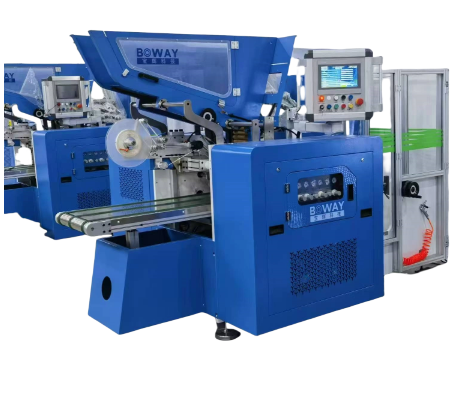
Maintaining sharp blades is crucial for the optimal performance of your rewinding machine. Whether you operate a slitter rewinder machine, a paper roll slitting & rewinding machine, or a film rewinder, the condition of the blades directly affects the quality of the cut and the overall efficiency of your operation.
Sharp blades ensure clean, precise cuts, which are essential in machines like the slitting and rewinding machine or the paper rewinder machine. Dull blades can cause jagged edges, increase material waste, and put extra strain on the machine’s motor winding components. Regular inspection and timely sharpening or replacement keep the cutting process smooth and efficient.
Look for uneven cuts, nicks, chips, or visible wear on the blade edges. These signs often indicate that the blade is no longer performing optimally. In a transformer rewinding machine or motor winding machine, worn blades can lead to inconsistent winding tension and product defects. Additionally, check if the blade holder is properly aligned, as misalignment can accelerate blade wear and reduce cutting accuracy.
When replacing blades, always follow the manufacturer’s guidelines to ensure safety and maintain machine integrity. Use appropriate tools to remove and install blades, and avoid forcing the blade into place, which can damage both the blade and the machine. After replacement, verify blade alignment and test the machine with a sample material to confirm clean cuts. For slitter rewinder used machines, ensure blades meet the original specifications to avoid compatibility issues.
A well-maintained blade improves product quality by producing smooth edges and consistent slit widths. This reduces material waste and the need for rework. Conversely, a damaged or dull blade can cause web breaks, wrinkles, and uneven tension in the rewinder machine paper or web rewinder, leading to costly downtime and decreased customer satisfaction.
Proper roller alignment and tension adjustment are vital for the optimal functioning of your rewinding machine. Whether you operate a slitter rewinder machine, a paper roll slitting & rewinding machine, or a film rewinder, these settings ensure smooth material handling and high-quality output.
Roller alignment directly affects the accuracy and consistency of slitting and rewinding processes. Misaligned rollers can cause uneven cuts, wrinkles, and web breaks in the rewinder machine paper or film rewinder. In a motor winding machine or transformer rewinding machine, improper alignment can lead to uneven winding tension, damaging the coils or finished products. Ensuring rollers are parallel and properly positioned reduces material waste and machine wear.
Different materials require specific tension settings to maintain product quality. For example, thicker materials like heavy paper rolls on a paper slitting and rewinding machine need higher tension to prevent slack, while delicate films on a slitting and rewinding machine require gentler tension to avoid stretching or tearing. Adjust tension controls carefully based on material type, thickness, and elasticity. Many slitter and rewinder models feature adjustable tension brakes or load cells to help maintain consistent tension throughout the process.
Regularly inspect roller surfaces for wear, damage, or contamination that could affect material grip or alignment. Check bearings for smooth rotation and listen for unusual noises that may indicate misalignment or wear. Use precision tools or laser alignment devices to verify roller parallelism and adjust as necessary. For slitter rewinder used machines, thorough checks are essential as wear can accumulate over time, impacting performance.
Misaligned rollers increase friction and strain on machine components, leading to premature wear of bearings, belts, and gears. This can cause frequent downtime and costly repairs. Additionally, improper tension and alignment often result in poor product quality, such as uneven slitting widths or damaged rewinder machine paper. Maintaining correct roller alignment and tension maximizes machine efficiency, reduces waste, and extends the lifespan of your rewinding equipment.
Tip: Incorporate roller alignment and tension checks into your weekly maintenance routine to ensure your slitter rewinder machine consistently produces high-quality output with minimal downtime.
Maintaining cleanliness in your rewinding machine is essential for ensuring smooth operation and extending its lifespan. Whether you use a slitter rewinder machine, a paper roll slitting & rewinding machine, or a film rewinder, dust, adhesive buildup, and debris can negatively impact performance and product quality.
Regular cleaning prevents dust and contaminants from accumulating on critical parts like blades, rollers, and sensors. Use non-abrasive cleaning solutions and soft cloths or brushes to avoid damaging delicate components. For machines such as the paper slitting and rewinding machine or the motor winding machine, focus on areas where material residues tend to gather.
Dust and adhesive buildup are common issues, especially when working with sticky or coated materials. These substances can cause rollers to slip, blades to stick, or sensors to malfunction. To address this:
Use compressed air to blow off loose dust from hard-to-reach spots.
Apply appropriate solvents or cleaning agents to remove adhesive residues safely.
Avoid harsh chemicals that may corrode machine parts or leave harmful residues.
A consistent weekly cleaning routine keeps your rewinder machine paper and other components in optimal condition. This routine should include:
Wiping down rollers, blades, and guide rails.
Cleaning sensor lenses and control panels.
Checking and clearing dust from ventilation fans and filters.
Inspecting the unwinding machine and web rewinder areas for debris.
For slitter rewinder used machines, extra attention is necessary as older equipment may accumulate more buildup over time.
Keeping your rewinding machine clean offers several advantages:
Reduces the risk of mechanical failures caused by debris.
Maintains consistent tension and alignment, improving product quality.
Extends the life of blades, belts, and bearings.
Enhances operator safety by preventing unexpected jams or slips.
A clean environment also helps maintain the efficiency of electrical components, reducing the chance of shorts or sensor errors in your transformer rewinding machine or motor winding machine.
Tip: Incorporate a detailed cleaning checklist into your weekly maintenance schedule to ensure all machine components, especially blades and rollers, remain free from dust and adhesive buildup, maximizing the lifespan of your slitter and rewinder.
The electrical system in your rewinding machine is the backbone of its operation. Whether you work with a slitter rewinder machine, a transformer rewinding machine, or a motor winding machine, ensuring electrical safety and efficiency is crucial to prevent downtime and costly repairs.
Electrical safety starts with proper insulation, grounding, and secure connections. Faulty wiring or loose connections can cause short circuits, overheating, or even fires. For a paper slitting and rewinding machine or a film rewinder, stable electrical supply ensures smooth motor function and precise control of the unwinding machine and web rewinder. Regularly checking circuit breakers, fuses, and emergency stop systems helps maintain a safe working environment and protects your machine from electrical faults.
Inspect wiring harnesses, connectors, and terminals for signs of wear, corrosion, or damage. Vibrations and machine movement can loosen connections over time, especially in high-speed slitter and rewinder setups. Pay close attention to control panels and sensor wiring, as these are critical for accurate machine operation. Use a multimeter to test continuity and voltage levels to detect potential issues early. For slitter rewinder used machines, aged wiring may require replacement to meet current safety standards.
Common problems include blown fuses, tripped breakers, and intermittent power loss. These can stem from overloaded circuits, damaged cables, or faulty components. Address these by:
Replacing damaged wires or connectors immediately.
Ensuring proper grounding and bonding.
Cleaning dust and debris from electrical enclosures to prevent shorts.
Testing sensors and switches regularly to confirm they respond correctly.
In transformer rewinding machines or motor winding machines, electrical faults may cause motor stalls or erratic winding speeds, impacting product quality and machine longevity.
All electrical components should be firmly mounted and protected from moisture and dust. Loose parts can vibrate loose or short circuit, causing unexpected shutdowns. Use cable ties and protective conduits to organize wiring neatly. Regularly inspect seals and gaskets on electrical cabinets to prevent ingress of contaminants. Keeping electrical components secure and clean extends their service life and ensures reliable operation of your rewinder machine paper or winder paper machine.
Bearings and belts are fundamental components that keep your rewinding machine running smoothly. Whether you operate a slitter rewinder machine, a paper roll slitting & rewinding machine, or a motor winding machine, regular inspections of these parts are essential to prevent unexpected breakdowns and extend machine life.
Bearings reduce friction between moving parts, allowing rollers and shafts to rotate freely. Belts transfer power from motors to various machine components, ensuring synchronized movement. In a film rewinder or a transformer rewinding machine, worn bearings or loose belts can cause uneven tension, leading to poor winding quality or machine stoppages. Proper functioning of bearings and belts is critical for maintaining the efficiency of the unwinding machine and web rewinder.
Signs of bearing wear include unusual noises like grinding or squealing, excessive heat, or visible damage such as corrosion or pitting. For belts, look for cracks, fraying, glazing, or slipping during operation. Improper belt tension can cause slippage or put extra strain on motors and pulleys. For example, a paper rewinder machine with loose belts may experience inconsistent roll diameters or web breaks. Regularly check belt tension using a tension gauge and adjust according to manufacturer specifications.
Replacing worn bearings and belts promptly prevents further damage to your rewinding machine. When replacing bearings, ensure you select the correct type and size recommended for your slitter and rewinder model. Use proper tools to avoid damaging the housing or shaft. For belts, replace with high-quality, compatible belts designed for your machine, especially when dealing with a slitter rewinder used in heavy-duty operations. Always inspect pulleys and belt drives for wear during replacement and clean or replace them as needed.
Maintaining correct belt tension is crucial for efficient power transmission and machine longevity. Over-tightened belts can cause bearing overload and premature failure, while under-tightened belts lead to slippage and inconsistent operation. Use manufacturer guidelines or a belt tension gauge to set the optimal tension. Periodically recheck tension, especially after belt replacement or adjustments in machine setup. For a winder paper machine or paper slitting and rewinding machine, consistent belt tension supports smooth material handling and high-quality output.
Proper lubrication, sharp blade maintenance, roller alignment, and regular cleaning are key to rewinding machine longevity. Regular checks of electrical systems and bearings prevent breakdowns. Implementing these practices enhances performance and reduces downtime. BOWAY offers advanced rewinding machines designed for efficiency and durability. Their products deliver superior value through innovative features, ensuring reliable operation and high-quality output. Embrace a maintenance routine to maximize machine lifespan and productivity, leveraging BOWAY's expertise in rewinding technology.
A: Key maintenance tips include regular lubrication of moving parts, blade inspection and replacement, roller alignment and tension adjustment, cleaning of machine components, electrical system checks, and bearing and belt inspections. These practices help prevent wear and extend the life of your rewinding machine.
A: The lubrication frequency depends on usage, environment, and lubricant type. High-volume operations may require weekly lubrication, while less frequent use might only need monthly attention. Always refer to your machine’s manual for specific intervals.
A: Proper roller alignment ensures accurate slitting and rewinding, reducing material waste and machine wear. Misaligned rollers can cause uneven cuts, web breaks, and product defects, impacting overall efficiency.
A: Signs include uneven cuts, nicks, chips, and visible blade wear. Dull blades can increase material waste and strain the machine’s motor winding components, affecting quality and efficiency.
A: Use manufacturer guidelines or a tension gauge to set the correct belt tension. Periodically recheck tension, especially after belt replacement or adjustments, to ensure efficient power transmission and machine longevity.


