
Views: 0 Author: Site Editor Publish Time: 2025-09-08 Origin: Site
Ever wondered how manufacturers manage large rolls of materials with ease? Rewinding machines are the unsung heroes in efficient material handling. These machines are crucial for tailoring materials to specific production needs, ensuring smooth operations. In this post, you'll learn about the benefits of using rewinding machines, including enhanced product quality, storage efficiency, and cost savings.
A rewinding machine plays a crucial role in tailoring large rolls of material to fit specific production needs. Often, the original roll size isn't compatible with downstream equipment such as printers, automatic labeling machines, or other processing tools. By using a slitter rewinder or a slitting and rewinding machine, manufacturers can adjust the diameter, width, or length of the roll to meet precise specifications. This customization ensures smooth operation across various machines and reduces downtime caused by incompatible roll sizes.
For example, a paper roll slitting & rewinding machine can convert bulky paper rolls into smaller, manageable sizes suitable for different printers or packaging lines. Similarly, in the electrical sector, a transformer rewinding machine or motor winding machine can prepare coils in sizes that fit specific motor or transformer designs, improving assembly efficiency.
Many rewinding machines, like the slitter rewinder machine or paper slitting and rewinding machine, combine slitting and rewinding processes. This dual function allows wide rolls to be cut into multiple narrower strips during the rewinding phase. The result is better material utilization and easier handling.
By slitting large rolls into narrower widths, companies can reduce waste and optimize production flow. For instance, a web rewinder or winder paper machine can produce rolls tailored to exact application requirements, minimizing excess material and improving overall efficiency. This finishing process also enhances the quality of the end product by providing clean, precise edges and consistent roll tension.
In industries dealing with paper products, such as printing or packaging, the paper roll slitting rewinding machine ensures that materials are ready for immediate use without additional cutting or resizing. This convenience speeds up the production line and reduces manual labor.
Tip: When selecting a rewinding machine, consider one with integrated slitting capabilities to streamline your process and reduce handling time for better operational efficiency.
One of the most significant benefits of using a rewinding machine is its ability to improve product quality by eliminating defects during the rewinding process. As materials like paper, film, or coils are rewound, operators or automated inspection systems can detect and remove damaged sections, wrinkles, or impurities. This quality control step ensures that the final rolls are free from defects that could cause problems in later stages of production or use.
For example, a paper slitting and rewinding machine often includes inspection features that identify imperfections in paper rolls. By removing these flawed sections, the machine produces smoother, more consistent paper rolls that enhance the performance of printers or packaging lines. Similarly, in electrical manufacturing, a transformer rewinding machine or an electric motor winding machine can carefully rewind coils, ensuring no damage or misalignment occurs, which is crucial for the reliability of motors and transformers.
Maintaining uniform tension throughout the rewinding process is essential for producing stable, high-quality rolls. Rewinding machines, such as slitter rewinders and paper rewinder machines, are equipped with advanced tension control systems. These systems regulate the tightness of the material as it winds, preventing issues like slack, wrinkles, or overly tight winding that can cause damage.
Consistent tension results in rolls that are flat and stable, reducing the chances of paper jams, breaks, or deformation during subsequent processing or use. For instance, a web rewinder or a winder paper machine with precise tension control produces rolls that unwind smoothly on downstream equipment, leading to fewer interruptions and higher overall productivity.
Moreover, uniform tension improves the dimensional stability of the rewound material, which is particularly important in sensitive applications such as printing or electrical coil manufacturing. This stability enhances the end product’s quality and reliability, meeting customer expectations and industry standards.
Tip: Choose a rewinding machine with integrated tension control features to ensure consistent roll quality and reduce material waste caused by defects or improper winding.
A rewinding machine significantly improves storage and transportation efficiency by reducing the volume of large material rolls. When large rolls are rewound into smaller diameters using a slitter rewinder or a paper roll slitting & rewinding machine, they become easier to handle, store, and transport. This volume reduction means more rolls can fit into the same storage space or transport vehicle, optimizing warehouse capacity and shipping loads.
For example, a paper slitting and rewinding machine can convert bulky paper rolls into compact sizes, allowing companies to store more inventory in limited space. Similarly, in electrical manufacturing, motor winding equipment and transformer rewinding machines help produce coils in sizes that are easier to package and ship without damage.
By minimizing the bulk of materials, businesses reduce the risk of product deformation during handling. Smaller rolls are also lighter, which simplifies manual or automated transport within the facility, enhancing overall workflow efficiency.
Rewinding machines also help protect materials from environmental damage. When materials like paper or film are tightly rewound on machines such as the web rewinder or winder paper machine, they are less exposed to moisture, dust, and mechanical wear.
Tightly wound rolls maintain better integrity, preventing issues like curling, wrinkling, or contamination that can occur during storage or transit. For instance, a paper rewinder machine ensures that paper rolls remain clean and flat, preserving their quality until they reach the end user.
In industries using electric motor winding machines or transformer rewinding machines, proper rewinding safeguards delicate coils from abrasion or deformation. This protection extends the shelf life of the product and reduces waste caused by damage, ultimately saving costs.
A rewinding machine offers remarkable flexibility to meet the diverse demands of today’s market. Different industries require materials in various sizes, specifications, and performance levels. Using a slitter rewinder or a paper roll slitting & rewinding machine, manufacturers can customize roll dimensions such as width, diameter, and length to suit specific customer requirements. This ability to tailor products enhances competitiveness and allows businesses to serve a broader customer base.
For example, a paper slitting and rewinding machine can produce paper rolls tailored for various printing presses or packaging lines, ensuring compatibility and convenience. In the electrical sector, a transformer rewinding machine or electric motor winding machine can adjust coil sizes and winding patterns to fit specialized motor designs, meeting niche market needs efficiently.
Customization also extends to material properties. Some slitting and rewinding machines allow for adjustments in tension and winding speed, affecting the final product’s density and flexibility. This adaptability is crucial for sectors like packaging, where different applications demand varying material characteristics.
The market is ever-changing, and businesses must adapt quickly to maintain an edge. Rewinding machines enable rapid production adjustments to respond to shifts in demand or new product specifications. Unlike retooling entire production lines, rewinding machines can swiftly modify roll sizes or slit widths, minimizing downtime and accelerating turnaround times.
For instance, a web rewinder or winder paper machine can switch between different roll widths on short notice, helping manufacturers fulfill urgent orders or experiment with new product variants. This agility supports just-in-time production strategies and reduces inventory costs.
Moreover, the simplicity of the rewinding process allows operators to implement changes without extensive training or setup time. This ease of use promotes operational flexibility and helps companies stay aligned with market trends and customer preferences.
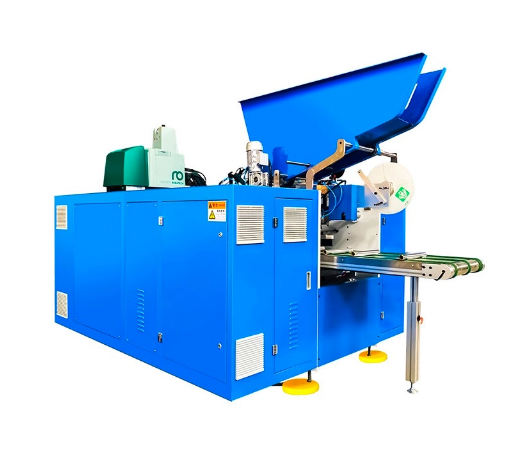
Using a rewinding machine like a slitter rewinder or a paper roll slitting & rewinding machine helps businesses maximize the use of raw materials. These machines precisely slit and rewind large rolls into smaller, usable sizes, reducing scrap and waste. For example, a slitting and rewinding machine can convert wide paper rolls into narrower widths tailored exactly to production needs, eliminating excess material that often ends up discarded.
This optimization not only saves costs on raw materials but also improves sustainability by minimizing waste. In industries such as packaging or printing, where material costs are significant, efficient utilization directly impacts profitability. Similarly, in electrical manufacturing, a motor winding machine or electric motor winding machine ensures copper wire is rewound with minimal loss, further reducing material expenses.
Moreover, precise tension control in these machines prevents defects that cause material rejection. Uniform winding avoids wrinkles or loose edges, ensuring every meter of material is usable. This consistent quality reduces the need for reprocessing or discarding flawed sections, further enhancing cost savings.
Rewinding machines streamline production by automating tasks that would otherwise require manual labor. A slitter rewinder machine or paper rewinder machine can handle high volumes quickly and accurately, reducing the workforce needed for cutting, inspecting, and rewinding rolls. This automation lowers labor costs and minimizes human error.
Additionally, many modern rewinding machines come equipped with user-friendly controls and quick-change features. Operators can adjust settings rapidly for different roll specifications, cutting setup times and increasing overall efficiency. For example, a web rewinder or winder paper machine can switch between jobs with minimal downtime, supporting just-in-time manufacturing and reducing inventory costs.
Operational expenses also decrease due to lower maintenance demands. Well-designed slitter and rewinder equipment often require less frequent servicing than older manual systems. This reliability cuts repair costs and prevents costly production interruptions.
By investing in a high-quality rewinding machine, companies can achieve faster production speeds, less waste, and reduced labor expenses—contributing to significant overall cost-effectiveness.
A rewinding machine is remarkably versatile, capable of handling a wide range of materials beyond just paper. Whether it's plastic films, aluminum foils, non-woven fabrics, or copper wire used in motor winding equipment, these machines adapt seamlessly. For instance, a slitter rewinder machine used in packaging can process various film types, while a transformer rewinding machine specializes in copper coils for electrical applications. This adaptability means companies can rely on a single machine type for multiple products, reducing the need for multiple specialized devices.
The ability to adjust tension, speed, and slitting widths allows these machines to accommodate materials with different thicknesses and properties. For example, a paper slitting and rewinding machine can easily switch to handle delicate tissue paper or thicker cardboard rolls without compromising quality. Similarly, an electric motor winding machine can precisely rewind copper wire coils, ensuring consistent tension and alignment critical for motor performance.
Rewinding machines find applications across diverse industries due to their flexibility. In the printing and packaging sector, paper roll slitting & rewinding machines prepare rolls for printers, labelers, and converters, improving workflow and reducing waste. Meanwhile, in electrical manufacturing, motor winding machines and transformer rewinding machines rewind coils essential for motors, transformers, and generators.
The textile industry also benefits from slitting and rewinding machines that handle non-woven fabrics and synthetic materials, enabling precise roll sizes for further processing. Additionally, the plastic film industry uses web rewinders and winder paper machines to convert large film rolls into manageable sizes for packaging or lamination.
This cross-industry utility means investing in a rewinding machine offers long-term value and operational flexibility. Businesses can diversify their product lines or shift production focus without needing entirely new equipment.
Rewinding machines offer significant advantages in material processing, including specification adjustment, defect elimination, and enhanced storage efficiency. They optimize production by customizing roll sizes and reducing waste. Their versatility across industries ensures adaptability to various materials, supporting diverse market needs. As technology advances, these machines will continue to streamline operations and improve product quality. BOWAY's rewinding machines exemplify these benefits, providing reliable solutions that enhance productivity and meet evolving industry demands.
A: Rewinding machines offer benefits like specification adjustment for various equipment, enhanced product quality through defect elimination, improved storage and transportation efficiency, market demand flexibility, cost-effectiveness, and versatility across industries. They optimize material utilization and reduce labor costs in sectors like printing, packaging, and electrical manufacturing.
A: A slitter rewinder machine combines slitting and rewinding, allowing large rolls to be cut into narrower widths. This dual function enhances material utilization, reduces waste, and improves production flow by providing rolls tailored to specific applications, thus streamlining operations and minimizing downtime.
A: Tension control in a paper rewinder machine ensures uniform winding, preventing issues like slack or wrinkles. This results in flat, stable rolls that unwind smoothly on downstream equipment, reducing interruptions and enhancing overall productivity and product quality.
A: A transformer rewinding machine prepares coils in specific sizes and winding patterns, essential for motor and transformer designs. This precision improves assembly efficiency, ensures reliable performance, and meets niche market needs in the electrical sector.
A: Yes, a slitting and rewinding machine can handle various materials such as paper, plastic films, and copper wire. Its adaptability to different thicknesses and properties makes it versatile for industries like packaging, printing, and electrical manufacturing.


