
Views: 0 Author: Site Editor Publish Time: 2026-02-24 Origin: Site
When purchasing an Aluminum Foil Rewinding Machine, selecting the right machine is crucial for ensuring efficient production and high-quality output. A rewinding machine is essential for transforming large rolls of aluminum foil into smaller, manageable rolls, and the right machine can greatly improve the speed, accuracy, and overall quality of your production line.
This article outlines the critical features to consider when purchasing a rewinding machine, providing a comprehensive guide to help you make an informed decision.
When choosing a rewinding machine, several factors come into play, each contributing to the overall performance and suitability for your production needs. Below are the key features that you should prioritize:
Tension control is one of the most important features of a rewinding machine. Proper tension ensures that the foil is evenly wound and prevents defects such as wrinkling, uneven roll thickness, and material waste. There are two primary types of tension control systems:
Manual Tension Control: Requires the operator to adjust tension settings during production.
Automatic Tension Control: Uses sensors and feedback systems to automatically adjust the tension throughout the production process, ensuring a consistent winding process.
Type of Tension Control | Advantages | Disadvantages |
Manual Tension Control | Lower initial cost, simpler to use | Requires frequent adjustments, less consistency |
Automatic Tension Control | Maintains consistent tension, improved quality | Higher cost, requires more complex setup |
The speed of a rewinding machine is an essential factor for improving production efficiency. A higher speed reduces the time required to rewind aluminum foil, which can increase throughput. However, speed should be balanced with the machine’s capacity to maintain quality at high speeds.
Key considerations:
Maximum Speed: The higher the speed, the faster the production rate. Ensure that the speed is suitable for your desired output.
Capacity: The machine’s ability to handle large rolls of foil and produce a specific number of smaller rolls per unit of time is vital for meeting production goals.
In today’s manufacturing environment, automation is key to reducing human error and increasing operational efficiency. Look for rewinding machines with:
Automated Features: Features like automatic cutting, roll change, and even speed adjustment allow for smooth, uninterrupted operation.
User-Friendly Interface: A clear, easy-to-use interface helps operators control settings quickly and adjust to different material types.
Many modern rewinding machines come with touchscreen controls, which make setting adjustments intuitive and efficient. The automation also reduces labor costs by minimizing the need for constant supervision.
Flexibility in roll sizes is crucial for ensuring that the machine can accommodate various production requirements. The rewinding machine should be able to handle different roll diameters, widths, and lengths.
Look for machines with:
Adjustable Mandrels: Mandrels are the core around which the aluminum foil is wound. Adjustable mandrels help ensure compatibility with different roll sizes.
Core Insertion Systems: Automatic core inserters can significantly speed up the process and improve consistency.
Roll Size Handling | Benefits | Considerations |
Adjustable Mandrels | Accommodates various sizes, versatile | Requires precise calibration |
Fixed Mandrels | Suitable for a single roll size | Limits production flexibility |
Durability plays a significant role in ensuring that your rewinding machine continues to perform well over time. Machines made from high-quality materials, such as stainless steel or high-grade alloys, are resistant to wear and tear, extending the machine's lifespan.
Corrosion Resistance: Aluminum foil is prone to leaving residue on machines, so machines that are rust-resistant are important for maintenance.
High-Quality Bearings, Motors, and Rollers: These components should be sturdy enough to withstand the rigors of continuous operation.
All machinery requires periodic maintenance to keep it running smoothly. Look for rewinding machines that are easy to maintain and come with reliable after-sales support.
Consider:
Ease of Maintenance: Machines with simple, accessible parts are easier to maintain and repair.
Availability of Spare Parts: Ensure that the manufacturer offers readily available spare parts, reducing downtime during repairs.
Warranty and Support: Check if the manufacturer provides a comprehensive warranty and ongoing technical support to address potential issues.
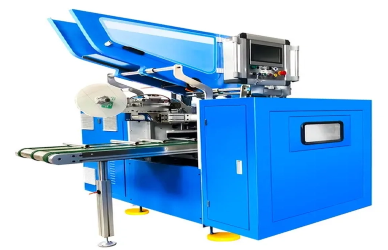
While basic features are critical, advanced features can further enhance the performance and efficiency of your rewinding machine. Some of the notable advanced features include:
Variable speed drives allow for better control over winding tension and speed, providing greater flexibility in managing production requirements.
These systems help ensure that the foil is perfectly aligned during the rewinding process, preventing edge defects and ensuring a high-quality final product.
Automatic core inserters streamline the production process by reducing manual labor and ensuring that each roll is wound correctly.
Selecting the right rewinding machine is critical to maximizing efficiency, product quality, and overall operational success. To make the best decision for your specific needs, consider the following factors in detail:
When choosing a rewinding machine, your production volume plays a crucial role in determining the best fit. If your business requires high output, it's essential to prioritize machines with higher speed and capacity. A machine designed for high-volume production ensures that you meet deadlines without sacrificing quality.
High-Speed Machines: If your production demands quick turnaround times, look for machines with faster speeds that can process larger quantities of material within a shorter time frame.
Capacity Considerations: Make sure the machine has the capacity to handle the volume of foil rolls you need, including larger or thicker rolls if required.
Rewinding machines can process different types of materials, and it’s important to select a machine capable of handling the materials you use. Consider whether the machine can handle the following:
Aluminum Foil: Most rewinding machines are designed to process aluminum foil, but it’s important to check the specifications for roll width, thickness, and material compatibility.
Plastic Films: If you also work with plastic films, ensure that the machine has the necessary features for winding non-metallic materials.
Specialized Materials: Some machines are adaptable to other materials like baking papers, siliconized paper, or coated films. Verify that the machine can handle these materials without compromising efficiency or quality.
While budget is a major consideration, it’s also important to assess what features are necessary to meet your production needs. In general:
Automated vs. Manual: Fully automated machines offer greater efficiency and consistency but come with a higher initial investment. If your business prioritizes speed and low labor costs, the investment in an automated system might be justified.
Cost Considerations: Balancing budget and features is crucial. A less expensive machine may meet basic needs, but you may need to compromise on certain features such as automation, speed, or additional functionality. Ensure that the features you need for high-quality production align with your financial capabilities.
Automatic tension control ensures consistent winding tension throughout the process, which greatly improves product quality by preventing defects such as wrinkles and uneven thickness. It also minimizes material waste, as there is no need to stop production frequently for manual adjustments. This system enhances overall production efficiency by maintaining stable operations, reducing downtime, and ensuring the final product meets the required specifications consistently.
A higher speed allows for more rolls to be produced in less time, significantly increasing overall production capacity. It can help meet larger production demands within tight deadlines. However, it is crucial to balance speed with the machine's ability to maintain quality. Over-speeding may lead to defects such as material stretching or improper winding, affecting the final product's integrity. Therefore, adjusting speed settings to match the machine's specifications and material type is essential for optimal performance.
Edge guiding systems ensure the proper alignment of the foil during the rewinding process. These systems correct any misalignment, preventing the material from veering off-center, which can lead to uneven rolls or defects in the finished product. By maintaining a consistent position of the foil, the edge guiding system plays a vital role in ensuring a consistent and defect-free product, reducing material wastage and improving overall production quality.
Yes, many rewinding machines are versatile and can process a variety of materials, including aluminum foil, plastic films, baking paper, and even specialty materials like coated films or silicone paper. The adaptability of a rewinding machine depends on its configuration, such as adjustable tension control, speed settings, and mandrel size. When choosing a machine, it’s important to check its compatibility with the types of materials you need to process to ensure optimal performance and quality.
Investing in the right Aluminum Foil Rewinding Machine is crucial for achieving not only efficient production but also consistent quality and long-term operational reliability. A well-chosen machine can significantly enhance your production line's speed and precision while minimizing material waste and maintenance costs. By focusing on essential features such as tension control, speed, automation, roll handling, and durability, you can ensure that the machine aligns with your specific production needs and goals.
Additionally, considering advanced features like edge guiding systems and variable speed drives can further optimize the performance of the rewinding machine, giving you greater control over your production process. A machine that meets these requirements will not only improve efficiency but also offer long-term value through reduced downtime and fewer operational issues. Therefore, taking the time to evaluate and invest in the best aluminum foil rewinding machine is an essential step in driving the success and growth of your production line.


