
Views: 0 Author: Site Editor Publish Time: 2026-03-02 Origin: Site
In the manufacturing and processing of aluminum foil and other materials, rewinding and slitting are two essential processes that play different roles in converting raw materials into usable products. While both machines are designed to handle rolls of material, their functions and outputs are significantly different. Understanding the differences between a Rewinding Machine and a Slitting Machine is crucial for selecting the right equipment for your production line, optimizing efficiency, and meeting specific product requirements.
A Rewinding Machine is designed to take large rolls of material and wind them into smaller, more manageable rolls. This process is particularly important in industries where materials such as aluminum foil, paper, plastic films, and textiles need to be converted into smaller-sized rolls for packaging, storage, or further processing.
The primary function of a rewinding machine is to convert a full-width roll of material into smaller rolls, all while maintaining consistent tension and winding quality. The machine helps reduce material wastage and makes it easier to handle and store materials.
Full-Length Rolls to Smaller Rolls: The rewinding machine handles large rolls that are often too heavy or bulky for end users. By converting them into smaller rolls, the material is made more convenient for packaging, storage, and use in other processes.
Tension Control: The machine ensures consistent tension throughout the winding process to avoid defects like wrinkles or stretching.
A rewinding machine consists of several key components:
Rollers: Used to guide the material and maintain its shape while it is being rewound.
Mandrels: The central shaft around which the material is wound.
Tension Control System: Ensures that the material is wound with uniform tension to avoid inconsistencies in the final roll.
Motor and Drive System: Provides the necessary power for the rewinding process.
Rewinding machines are used in various industries, including:
Packaging: For materials like aluminum foil or plastic films, which are often used for packaging food, medical supplies, and consumer goods.
Food Industry: Particularly in the production of food packaging materials, where consistent foil quality is needed.
Textile Industry: Used to rewind fabric or textile materials for easier handling and use.
A Slitting Machine is a piece of equipment that cuts large rolls of material into narrower strips or smaller rolls. Slitting machines are often used after rewinding or during the manufacturing process to produce specific widths of material that are required for various applications.
Slitting machines are designed to take wide rolls of material (like aluminum foil, paper, plastic films, or metal sheets) and cut them into narrower strips. These narrower strips are used for different purposes depending on the industry.
Material Cutting: Slitting machines allow manufacturers to customize the width of the material to fit specific packaging or processing needs.
Precision Cutting: Slitting machines use precision blades to ensure clean and accurate cuts, which are essential for reducing material wastage and ensuring the final product meets quality standards.
A slitting machine typically consists of the following components:
Blades: High-quality, sharp blades that cut the material into strips of the desired width.
Shafts and Rollers: These components guide the material through the machine and maintain the tension.
Tension Control System: Just like in rewinding machines, the tension system ensures the material is not stretched or damaged during the slitting process.
Slitting machines are commonly used in industries such as:
Packaging: To cut large rolls of aluminum foil, plastic films, or paper into strips for specific packaging applications.
Textiles: For cutting fabrics into different widths for various types of clothing or textile products.
Labeling: In the production of labels, slitting machines cut rolls of materials into narrow strips that are then used for labeling products.
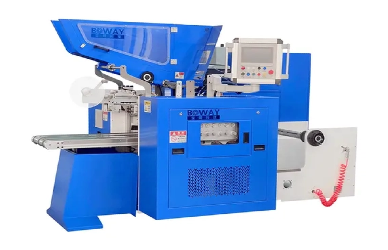
Although both machines handle rolls of material, their functions are quite different. Let’s break down the key differences between rewinding and slitting machines:
Feature | Rewinding Machine | Slitting Machine |
Primary Function | Rewinds large rolls into smaller rolls | Cuts large rolls into narrower strips |
Material Handled | Full-length material rolls | Wide material rolls (e.g., paper, foil) |
End Products | Smaller rolls of the same material | Narrower strips or slits of the material |
Rewinding Machine: Focuses on the winding process, ensuring that large rolls of material are converted into smaller, manageable rolls. This process helps make the material easier to handle, store, and package.
Slitting Machine: Specializes in cutting the material into narrower widths. It is ideal for applications where different widths of material are required, such as packaging or labeling.
Rewinding Machine: Deals with full-length material rolls, ensuring that they are rewound into smaller rolls for easier handling.
Slitting Machine: Processes wide material rolls and divides them into strips or smaller sections according to the required dimensions.
In many production lines, both rewinding and slitting machines play crucial roles in material processing. Although each machine serves a different purpose, together, they ensure efficient production and high-quality results. Here’s a deeper look at why both machines are essential:
One of the primary reasons why rewinding and slitting machines are important is their ability to optimize material usage. These machines work in tandem to minimize waste and maximize output, which is essential for cost-effective production.
Rewinding for Manageable Rolls: The rewinding machine ensures that large, unwieldy rolls of material are converted into smaller, more manageable rolls, reducing material waste and making it easier to handle.
Slitting for Precision Cuts: Once the material is rewound into smaller rolls, the slitting machine precisely cuts these rolls into narrower strips or sizes, which can then be used for specific applications or packaging.
Together, they ensure that the material is processed efficiently, and there is minimal waste, leading to a higher yield from the same quantity of raw material.
The combination of rewinding and slitting machines allows manufacturers to achieve a high level of flexibility in their production lines. With both machines, manufacturers can easily adjust the product to meet different market demands, whether that involves altering the size or shape of the material.
Rewinding for Various Roll Sizes: The rewinding machine can adjust the size of the rolls depending on the needs of the production line, ensuring that it fits specific packaging requirements or customer specifications.
Slitting for Different Widths: The slitting machine allows for precise cutting of material into a variety of widths. Manufacturers can choose the precise size of the strips depending on the end use, whether it's for packaging, labeling, or other applications.
This flexibility allows manufacturers to produce a wide range of products from a single machine setup, which is especially valuable in industries with varying customer demands.
Using both machines together can dramatically improve overall production efficiency. The integration of rewinding and slitting ensures that the material is processed in the most effective way possible, reducing downtime and enhancing the speed of production.
Continuous Production Flow: With both machines working together, there is minimal downtime between processes. As the rewinding machine prepares the material, the slitting machine can immediately begin cutting the material into the desired sizes.
Automated Systems: Modern rewinding and slitting machines are often automated, which means the entire process from winding to slitting can be done with minimal manual intervention. This further increases the overall speed of production and reduces the likelihood of human error.
By using both machines in concert, manufacturers can maintain a high rate of production without sacrificing quality, making them an essential pair in any high-efficiency production environment.
A rewinding machine is not designed to cut material into narrower strips; it focuses on rolling material into smaller rolls. For slitting, a separate slitting machine is required.
A slitting machine helps minimize material waste by precisely cutting large rolls into required widths, ensuring better material utilization compared to manual cutting methods.
Yes, some machines offer combined functions, allowing both rewinding and slitting in a single system, improving efficiency and reducing production space requirements.
Slitting machines are commonly used to process materials such as aluminum foil, paper, plastic films, and various textiles, depending on the industry.
In conclusion, both Rewinding Machines and Slitting Machines play vital roles in material processing, but they serve different functions. Rewinding machines are designed to reduce large rolls of material into smaller, more manageable sizes, while slitting machines cut the material into narrower strips or widths. Understanding the difference between these machines is essential for optimizing your production line and selecting the right equipment for your specific needs.


