
Views: 0 Author: Site Editor Publish Time: 2026-02-25 Origin: Site
Maintaining an Aluminum Foil Rewinding Machine is crucial for ensuring consistent performance, longevity, and operational efficiency. Regular maintenance prevents unexpected breakdowns, improves product quality, and minimizes downtime, which directly impacts production efficiency. In this article, we will discuss the necessary routine and periodic maintenance tasks, troubleshooting tips, and how to set up a comprehensive maintenance schedule to keep your rewinding machine in optimal working condition.
Routine maintenance tasks are essential for ensuring that the machine operates smoothly and efficiently. These tasks should be performed regularly, often at the beginning or end of each shift, depending on machine usage.
Regular cleaning is crucial to remove aluminum foil residue, dust, and other debris that can interfere with the machine's performance. Cleaning the machine prevents material buildup, which could cause jams, inaccurate winding, or damage to delicate components.
Key Components to Clean:
Rollers: Clean the rollers to remove foil remnants that may affect the quality of the next roll.
Mandrels: Clean mandrels to ensure smooth and even winding.
Tension Control Systems: Keep sensors and tension components free of debris to maintain accurate operation.
Lubrication is necessary to ensure smooth operation of moving parts such as gears, motors, and bearings. Without proper lubrication, friction can cause parts to wear out more quickly, leading to equipment failure.
Areas to Lubricate:
Gears and Bearings: Apply lubricant to prevent friction and ensure smooth movement.
Motors: Lubricate motor components to reduce strain and improve efficiency.
Lubrication Intervals:
Lubricate machinery components every 500 operating hours or as recommended by the manufacturer to prevent wear and tear.
Inspecting rollers and mandrels is a vital part of routine maintenance. These components play a significant role in winding quality, and if they become damaged, they could cause defects in the final product.
Inspection Guidelines:
Check for Unevenness: Rollers and mandrels should be free of dents, cracks, or warping.
Test Alignment: Ensure that the rollers and mandrels are aligned correctly to avoid misalignment during winding.
Periodic maintenance ensures that more complex machine systems remain in top condition. These tasks should be performed at specific intervals—typically weekly, monthly, or quarterly—depending on the frequency of use.
The tension control system is integral to ensuring even and precise winding. Regular checks are essential to maintain consistent winding quality, which directly impacts the quality of the final product.
How to Check:
Monitor Winding Consistency: Inspect the foil for uniformity. If you notice uneven winding or foil tension fluctuations, recalibrate the system.
Adjust Settings: Regularly adjust settings to accommodate different foil materials and roll sizes.
Motor and drive systems require periodic checks to ensure they operate efficiently and don’t cause malfunctions or slowdowns. A motor failure can halt production, making it essential to keep these systems well-maintained.
Inspection Process:
Check for Signs of Wear: Look for any strange noises, overheating, or unusual vibrations from the motor.
Lubricate Moving Parts: Ensure that all moving parts of the motor and drive systems are well-lubricated.
The electrical system powers all of the rewinding machine’s functions, so any failure can disrupt production. Checking electrical components periodically can help detect issues before they lead to breakdowns.
Key Checks:
Inspect Wiring and Connections: Ensure that all electrical connections are secure, and there are no exposed or frayed wires.
Check for Power Surges: Make sure there are no power surges that could damage the machine’s components.
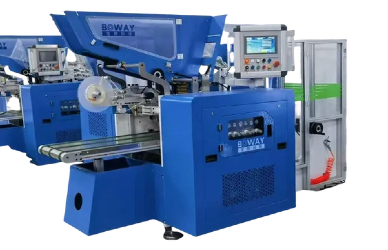
Even with regular maintenance, issues may still arise in an Aluminum Foil Rewinding Machine. Being able to troubleshoot common problems quickly can help minimize downtime and reduce the impact of these issues on production. Below are some common problems you may encounter, along with potential solutions to address them. If these problems persist, professional servicing may be necessary.
It's important to be able to identify early signs of issues in order to address them before they escalate into bigger problems. Here are some common issues and their possible causes:
Uneven winding is a common issue that can significantly affect the quality of the final product. If the foil is not wound evenly, it could lead to waste and rejection of the product.
Possible Causes:
Tension Control System Issue: An improperly calibrated or malfunctioning tension control system is often the root cause of uneven winding.
Roller Misalignment: If the rollers are misaligned, it can result in the foil winding unevenly.
Solution:
Adjust Tension Control: Recalibrate the tension control system to ensure it is maintaining consistent tension throughout the winding process.
Align Rollers: Check for misalignment and adjust the rollers to ensure they are parallel to each other, allowing smooth and even winding.
If the machine is operating slower than normal, it can reduce production output and increase the time required to meet deadlines.
Possible Causes:
Worn-Out Motors: Motors that are worn or damaged may struggle to reach optimal speed.
Malfunctioning Drive System: A problem with the drive system, such as a damaged belt or faulty gears, can also lead to slow operation.
Solution:
Check Motor: Inspect the motor for signs of wear and ensure that it is running smoothly. If necessary, replace the motor.
Inspect the Drive System: Check for any damage to the drive system, including belts, gears, and pulleys, and replace any faulty components.
If the foil tension fluctuates or is not consistent, it can result in poor-quality winding and may even cause material breaks or jams.
Possible Causes:
Sensor Malfunction: The sensors that monitor the foil tension may be malfunctioning, leading to inaccurate tension readings.
Incorrect Calibration: If the system was not calibrated correctly, the tension may not remain stable.
Solution:
Recalibrate the System: Adjust and recalibrate the tension control system to ensure it maintains steady tension throughout the process.
Replace Sensors: If recalibration doesn’t resolve the issue, replace faulty tension sensors to restore proper tension regulation.
While regular troubleshooting can help resolve many issues, some problems may require professional servicing. Here are a few signs that indicate it’s time to call an expert:
Motor failure can halt production entirely, so it’s crucial to address this issue promptly. If the motor is malfunctioning and basic troubleshooting (like cleaning or lubrication) doesn’t resolve the problem, professional servicing is required.
Signs of Motor Failure:
The motor fails to start or operate at normal speed.
Overheating, unusual noises, or vibrations coming from the motor.
The motor struggles to maintain consistent speed, even after adjustments.
Professional Solution:
A technician will likely need to inspect and repair or replace the motor if necessary. They may also check the electrical connections and internal components for signs of damage.
Over time, components like gears, bearings, rollers, and tension control systems experience wear and tear due to constant use. If the wear is too severe for a simple repair, it may be time to replace parts or the entire component.
Signs of Severe Mechanical Wear:
Excessive noise or vibrations coming from moving parts.
Broken or cracked rollers, gears, or other components.
Significant damage to parts that cannot be repaired through routine maintenance.
Professional Solution:
In cases of severe mechanical wear, professional servicing is required to replace worn-out parts with high-quality replacements. This ensures the machine continues to operate efficiently and minimizes future downtime.
A maintenance schedule ensures that tasks are completed consistently and on time. Here’s how to create an effective schedule:
Maintenance Task | Frequency | Responsibility |
Cleaning Machine Components | Daily or per shift | Operator |
Lubrication of Moving Parts | Every 500 operating hours | Maintenance Team |
Tension Control System Check | Weekly | Technician |
Motor and Drive System Check | Monthly | Technician |
Electrical System Inspection | Quarterly | Technician |
Cleaning should be done daily or at the end of each shift to remove aluminum foil residue, dust, and other debris. Regular cleaning prevents material buildup that can affect performance, cause jams, and impact the quality of the final product.
Signs include unusual noises, jerky movements, or slower-than-normal operation. These indicate that moving parts such as bearings, motors, or gears are experiencing friction due to insufficient lubrication, which can lead to premature wear and downtime.
Inspect the winding process for uniformity. If the foil is uneven or the tension fluctuates, the tension control system may be malfunctioning. Recalibrate or adjust the system to maintain consistent quality and optimal machine performance.
Call for professional servicing if persistent issues like motor malfunctions, electrical failures, or severe mechanical wear occur. If the machine operates abnormally or fails to properly wind the material, expert assistance is necessary to ensure smooth operation and prevent further downtime.
Regular and thorough maintenance of your Aluminum Foil Rewinding Machine is essential for maximizing its efficiency, ensuring high-quality products, and extending its lifespan. By staying on top of routine and periodic maintenance tasks, addressing troubleshooting issues promptly, and setting up a clear maintenance schedule, you can minimize downtime and costly repairs, ensuring smooth and continuous production.


