Views: 0 Author: Site Editor Publish Time: 2026-09-26 Origin: Site
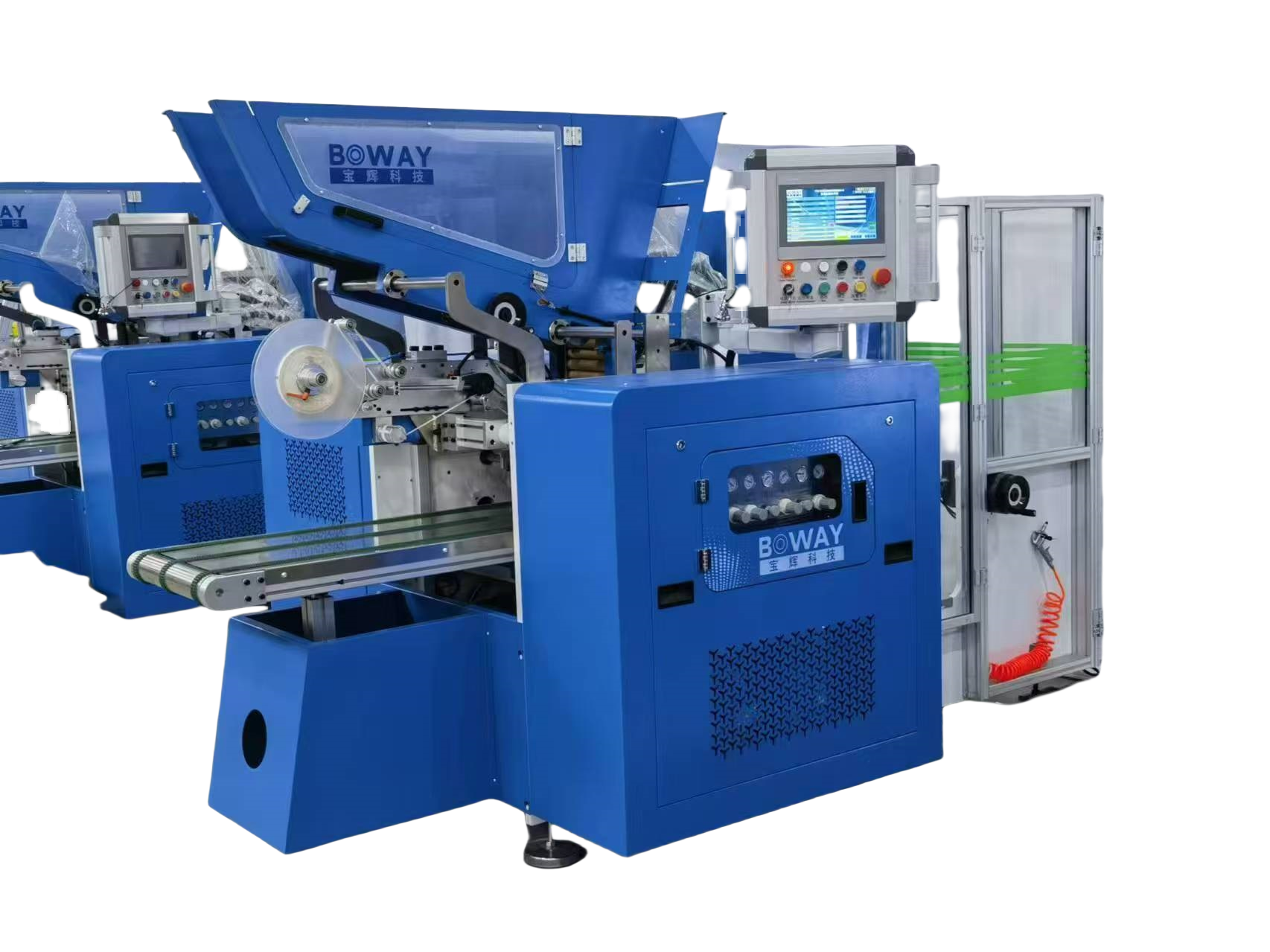
In high-volume packaging manufacturing, the profitability of an aluminum foil container machine hinges on maximizing Overall Equipment Effectiveness (OEE). You must also minimize unplanned downtime to protect daily output targets. Buyers evaluating new equipment must look beyond initial purchase price. The hidden financial burden lies in how easily the machine can be maintained under real factory conditions. You must carefully consider the frequency of part replacements. The clarity of the supplier’s maintenance protocols matters greatly when training new operators. Predictable, structured maintenance transforms equipment upkeep from a reactive expense into a controllable operational baseline. This direct control influences vendor selection and final ROI. Readers will learn the essential daily procedures to prevent catastrophic breakdowns. We will explore how specific engineering features optimize uptime and reduce manual labor. You will also discover how to evaluate vendor after-sales support systems to ensure long-term success.
Scheduled preventative maintenance operates as a protective financial shield for your factory. You must contrast these predictable routines against the cascading impact of reactive repairs. When a press suddenly fails, production halts immediately. You waste expensive raw materials. You miss delivery SLAs. This damages client trust and reduces your profit margins permanently. Success in aluminum foil food container making requires specific, measurable metrics. You must define target OEE percentages. OEE relies on machinery availability, operational performance, and final product quality. You should also track reduced mean time between failures (MTBF). These metrics highlight the true value of your maintenance program to factory stakeholders.
Factory managers frequently face challenges enforcing maintenance logs on the busy floor. Operators often skip tedious paperwork during shift changes. Modern PLC systems solve this issue effectively. They assist floor workers by digitally tracking service intervals. The system alerts operators automatically when critical maintenance is due. This automation keeps your production line highly profitable and accountable.
Consistent operations rely on structured Standard Operating Procedures (SOPs). You must divide these essential tasks into daily and weekly routines to keep the line moving.
Here are the critical daily checks you must perform:
Your maintenance team should complete these weekly audits:
Some operators believe they can skip minor daily cleaning. Do not make this mistake. Accumulated foil dust acts like abrasive sandpaper. Skipping these simple cleaning tasks is the leading cause of premature sensor failure. It also causes severe mold misalignment over time.
Best Practices for Factory Floors:
Common Mistakes to Avoid:
Every machine contains components destined to degrade. You must categorize these parts by expected lifespan and replacement cost. This categorization allows you to budget effectively and prevent sudden halts.
The mechanical press and its guides require precise tolerances. You must maintain these tolerances to ensure uniform container edges. If guide rails wear down, the press punches unevenly. This creates defective containers possessing sharp edges or improper seals.
The mold, or die, represents the most expensive wear part in your facility. Mold maintenance requires dedicated attention and specific cleaning solvents. You must establish safe handling protocols for heavy molds using overhead cranes. Store them in climate-controlled environments to prevent oxidation. Protect them from accidental impact damage using custom wooden crates.
You must mitigate production risks through smart inventory management. Stock critical wear parts on-site in a secure tool crib. Relying entirely on just-in-time shipping leaves you highly vulnerable. Supply chain delays can halt your factory for weeks. A well-stocked parts inventory acts as an affordable insurance policy.
Wear Parts Categorization and Strategy
| Component Category | Expected Lifespan | Maintenance Strategy | Replacement Priority |
|---|---|---|---|
| Optical Sensors | 12-18 Months | Daily dust removal | High (Keep on-site) |
| Pneumatic Seals | 6-12 Months | Weekly leak tests | Medium |
| Die/Mold Surfaces | 2-3 Years | Solvent cleaning | High (Requires careful storage) |
| Feeder Rollers | 1-2 Years | Tension calibration | Medium |
Engineering choices directly impact your daily factory operations. Specific features translate into measurable outcomes. When you review aluminum foil container machine specifications, prioritize maintenance-friendly designs.
Consider the ROI of automated systems versus manual ones. Centralized automatic lubrication systems deliver precise oil amounts automatically. Manual grease points require constant human intervention. Human error naturally leads to missed lubrication schedules. Automated systems prevent this costly failure.
Lubrication System Comparison
| Feature | Automated Centralized Lubrication | Manual Grease Points |
|---|---|---|
| Initial Purchase Cost | Higher upfront investment | Lower initial cost |
| Labor Requirement | Minimal (Periodic reservoir refills) | High (Daily manual application) |
| Oil Delivery Precision | Exact measurements delivered | Prone to human over/under greasing |
| Bearing Lifespan impact | Extended significantly | Average to poor |
Frame and component rigidity play a massive role in longevity. Heavier cast-iron or reinforced steel frames absorb mechanical vibration better. Reduced vibration extends the lifespan of internal bearings. It also preserves the sharpness of your cutting tools.
Digital diagnostics represent a major leap in maintenance technology. Modern HMI (Human-Machine Interface) touchscreens provide real-time fault codes. They display clear maintenance alerts directly to the operator in multiple languages. This digital assistance speeds up troubleshooting significantly. You fix problems faster and resume production sooner. The HMI stores historical fault data. This data helps maintenance engineers identify recurring issues before they cause a major breakdown.
Maintenance does not stop at the core press. System integration means auxiliary equipment failures often cause unplanned stops. Your maintenance schedule must comprehensively include every connected module.
The aluminum foil rewinding machine requires precise, scheduled attention. You must calibrate web tension controllers regularly to prevent foil stretching. Check slitting blade sharpness every single week. Dull blades create microscopic tears in the foil. Proper alignment ensures a flawless material feed into the main press. A poorly maintained rewinder guarantees material jams downstream.
Scrap balers and aspirators demand equal care. You must perform routine clearing of the extraction ducting. Monitor the motor health in the scrap extraction system closely. Blocked ducts cause material backup in the press area. These blockages create immediate production bottlenecks. You should also inspect the baler hydraulic systems for leaks monthly.
Smart buyers move beyond simple technical specifications. You must evaluate the vendor’s infrastructure for long-term customer success. A responsive aluminum foil container machine supplier protects your investment for decades.
Assess the quality of their technical documentation. Operation manuals must be clear and fully localized to your region. Electrical schematics should follow international standards for easy reading. Maintenance SOPs must be highly actionable for your floor staff.
Question the supplier about spare parts availability. Look for part standardization across their machine catalog. Systems using globally available servo motors offer great flexibility. Proprietary components cause vendor lock-in. They also extend your downtime when specialized parts ship from overseas.
Take specific actions during contract negotiation. Advise your purchasing team to request a sample maintenance schedule. Ask for a comprehensive spare parts price list upfront. This transparency confirms the supplier's reliability before you sign anything. You must secure these guarantees in writing.
Effective maintenance relies on a powerful combination of factors. You need disciplined factory-floor SOPs and intelligent upfront equipment purchasing. Every decision impacts your daily output. The true cost of a machine includes the labor and parts required to keep it running smoothly. You should prioritize machines engineered for easy accessibility. Ensure a robust supplier support system backs your aluminum foil container machine. Always consult with technical sales engineers before purchasing. Review their detailed maintenance schedules carefully. Verify that the machine specifications match your specific production capacity perfectly.
A: You should perform minor cleaning daily to remove foil dust and debris. Conduct a deep inspection every two to three million strokes. This baseline schedule varies depending on your specific foil thickness and production speed. Heavy-duty applications require more frequent deep inspections.
A: The leading causes include poor lubrication of moving parts and sensor blockages. Foil dust frequently obscures optical sensors, causing automatic stops. Pneumatic pressure drops also cause immediate production halts. Daily checks easily prevent these common issues.
A: Reputable suppliers include commissioning and basic maintenance training during the initial installation phase. This training empowers your local operators immediately. You must confirm this critical detail in your final purchase agreement to ensure proper support.