Views: 0 Author: Site Editor Publish Time: 2026-09-14 Origin: Site
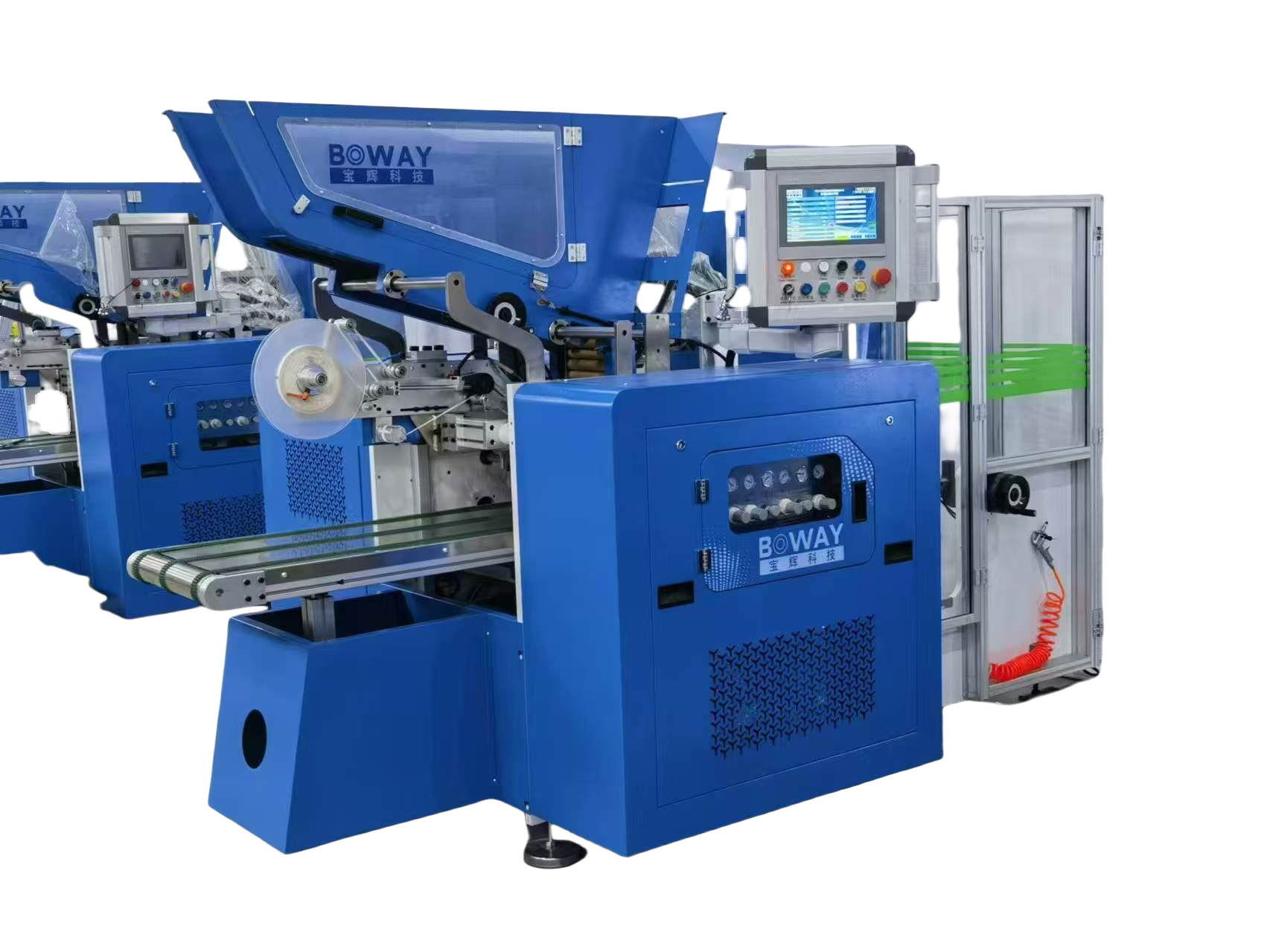
Accepting delivery of industrial converting equipment stands out as a high-stakes financial milestone. A premature sign-off can shift the heavy burden of troubleshooting directly from the manufacturer to your production floor. The Factory Acceptance Test (FAT) and Site Acceptance Test (SAT) act as your final lines of defense. For foil converting, where extreme material fragility meets intense high-speed dynamics, basic visual checks are entirely insufficient. You need a structured, rigorous testing methodology to protect your operational efficiency. This guide breaks down the critical, evidence-based evaluation criteria you must inspect before formally accepting an aluminum foil roll rewinding machine. Readers will discover how to validate mechanical integrity, verify electrical systems, and conduct live-load tests effectively. Ultimately, you will ensure the equipment genuinely meets daily production realities, stringent safety compliance standards, and all initial contractual promises.
You must establish a firm baseline before initiating any physical machine operation. Start by cross-referencing the original purchase agreement against the actual machine sitting on the floor. Discrepancies often occur between engineering blueprints and final assembly. You need to catch these variations early. Gather your procurement documents and compare them directly to the delivered hardware.
Core component verification demands intense scrutiny. Critical parts define the overall reliability of your production line. Inspect the programmable logic controller (PLC) brand. Examine the servo motors. Check the web guiding sensors and pneumatic shafts. You must ensure they match the exact promised tier and brand. Subbing premium components for cheaper alternatives compromises long-term durability. We often see buyers skip this step, leading to early part failures.
Next, perform strict parameter validation. Locate the machine nameplate immediately. Confirm documented capacities align seamlessly with your required aluminum foil roll rewinding machine specifications. You should evaluate the maximum web width carefully. Verify the maximum unwinding and rewinding diameters. Check the compatible micron thickness range. Finally, confirm the peak continuous running speed. Every parameter must meet the promised contractual standards.
Material compatibility represents a common pitfall. Aluminum foil possesses a very specific tensile strength. It requires significantly higher precision than stretch film or standard paper. Ensure the installed tension zones are explicitly calibrated for delicate metals. Common mistakes include accepting standard tension zones meant for paper. These setups will inevitably stretch or snap thin foil grades. You must demand proof of calibration for your exact material specifications.
Structural rigidity forms the foundation of reliable foil converting. Inspect the main machine frame carefully for vibration dampening. Excessive vibration at high speeds causes major quality issues. It leads directly to foil chatter marks and destructive micro-tears. The frame must feel completely stable during rapid acceleration. You can place a simple accelerometer on the frame to measure baseline vibrations. Better dampening directly equals fewer material web breaks.
Roller surface quality and alignment demand absolute perfection. Aluminum foil is notoriously unforgiving. Check all idler rollers and drive rollers for surface imperfections. Look closely for tiny scratches or uneven plating. A single burr will score thousands of meters of foil. Require the manufacturer to perform a laser alignment check of the entire web path. Perfect parallel alignment prevents diagonal wrinkling during high-speed runs.
If equipped with a slitting function, inspect the blade mechanisms thoroughly. You must examine the blade holders and the shear or razor setup. Look closely for any wobble or lateral play. Unstable blades cause rough burrs or uneven edges on finished foil rolls. Follow these specific steps to audit the slitting mechanism:
Safety and compliance checks protect your operators. Verify the presence of all physical guarding. Test the functionality of safety light curtains. Trigger safety interlocks while the machine is powered on. You must ensure full CE or OSHA compliance depending on your region. Never accept equipment lacking proper pinch-point guarding. Operator safety is non-negotiable.
Evaluate the Human-Machine Interface (HMI) for daily operational usability. Stand at the control panel yourself. Is the interface programmed in your native language? Are the navigation menus intuitive for average operators? Complex, buried menus lead to costly setup errors. Operators should easily find tension parameters, length settings, and alarm histories. Good HMI design reduces training time and minimizes human error significantly.
Tension control validation requires your utmost attention. This remains the most critical system in an aluminum foil rewinding machine. You must test closed-loop tension responsiveness rigorously. Require the machine to hold tension steady during sudden speed changes. Acceleration and deceleration phases often reveal hidden tension flaws. The load cells should communicate instantly with the servo drives. Any delay will cause the foil to slacken or snap.
Test the Edge Position Control (EPC) or Line Position Control (LPC) system next. Induce a slight lateral misalignment on the master roll intentionally. Observe how quickly the web guide corrects this deviation. It must adjust smoothly without tearing the fragile foil edges. Aggressive corrections indicate poor PID tuning in the guiding controller.
Finally, measure the emergency stop (E-Stop) response time. Trigger an E-stop while running at full operating speed. You need to measure the total deceleration time carefully. Observe the mechanical stress placed on the frame and shafts. Check if the foil breaks or snaps back dangerously. A proper E-stop halts the machine rapidly while maintaining enough tension to prevent web collapse.
System Validation Checklist Matrix
| System Component | Validation Method | Pass Criteria |
|---|---|---|
| HMI Interface | Navigate menu hierarchy | < 3 clicks to reach tension settings |
| Tension Control | Ramp up/down speed test | Tension drift < 2% of setpoint |
| Edge Guiding | Induce 5mm roll misalignment | Correction < 1 second, zero edge damage |
| E-Stop Sequence | Trigger at max continuous speed | Full stop in < 5 seconds, no web break |
You must absolutely refuse a dry-run acceptance test. Machines behave entirely differently when under actual material load. Feed your own specific master rolls into the equipment. Bring varying thicknesses if your production requires them. Generic test materials hide critical flaws. Your specific foil temper and alloy drastically alter the required tension profiles.
Establish a rigorous speed protocol. Run the machine at 50% of its rated continuous speed first. Hold this speed for at least 30 minutes. Next, push it to 80% for another 30 minutes. Finally, demand a 30-minute run at 100% capacity. Brief five-minute demonstrations are useless. Overheating servos or tension drift usually occurs only after 15 minutes of continuous running. Sustained tests reveal the true thermal stability of the drive systems.
Output analysis dictates the final success of the run. You must inspect the rewound rolls for common defects. Look closely for the following issues:
Verify length accuracy using an independent measuring tool. Do not blindly trust the machine display. Compare the automatic length counter against the actual physical wound length. A one percent error translates to massive annual material losses. The encoder measuring wheel must maintain perfect grip without scratching the foil surface.
A successful acceptance test includes securing all essential paperwork. Ensure the delivery of complete electrical schematics before leaving the facility. Demand updated pneumatic diagrams and detailed mechanical assembly drawings. Missing documentation makes future troubleshooting nearly impossible. You will face extended downtime if local technicians cannot trace electrical faults. Do not accept promises of "mailing the manuals later."
Discuss maintenance schedules and secure a list of wear parts. Request a highly detailed spare parts list immediately. It must include exact OEM numbers and expected component lifespans. Ask specifically about friction rings, slitting blades, and rubber drive rollers. Stocking these specific wear parts prevents catastrophic production halts. A prepared supplier provides this list willingly and transparently.
Software accessibility ensures your operational independence. Confirm you have the necessary access levels or passwords. You need access to the PLC and HMI to perform future parameter adjustments. Avoid situations where you get locked out by the aluminum foil roll rewinding machine supplier. Proprietary locks force you into expensive remote service contracts for minor tuning changes. Demand level-two engineering passwords as part of the handover.
Document all unresolved items during the final acceptance sign-off. The FAT or SAT protocol form acts as your leverage. Create a strict punch-list of any discovered defects. Tie the final payment milestone strictly to the resolution of these specific issues. Never release the final funds based merely on physical delivery. You hold the power until the equipment meets every documented performance metric.
A: Standard industry tolerances expect a scrap rate of less than 2% during steady-state running. Minor initial setup waste is normal. However, frequent web breaks, continuous edge trimming issues, or unexplained tension loss during the FAT act as major red flags. Address these immediately.
A: We strongly advise against using generic materials. Foil thickness, temper, and specific alloy grades drastically alter the required machine tension profiles. Generic paper or plastic hides flaws in metal converting setups. Always use your actual production material for accurate testing.
A: Hold the supplier fully accountable to the original contractual specifications. A machine unable to run at its rated maximum speed without degrading output quality represents a permanent loss in your calculated return on investment. Demand immediate mechanical or software corrections.
A: A rigorous FAT typically takes 1 to 3 days to complete. The exact timeframe depends heavily on machine complexity, automation levels, and the number of necessary adjustments discovered. Never rush this process; allocate ample time for continuous live-load running.