Views: 0 Author: Site Editor Publish Time: 2026-08-26 Origin: Site
Sourcing bulk jumbo aluminum foil rolls goes far beyond a basic commodities purchase. It serves as a critical engineering decision driving production efficiency, scrap rates, and final product quality. Many converters experience a major disconnect during their procurement cycles. Evaluating raw foil properties without simultaneously assessing your converting machinery leads to severe operational bottlenecks. Operators frequently battle sudden web breaks, severe roll telescoping, or crushed cores on the factory floor. These daily disruptions destroy profit margins and slow down throughput drastically.
Our comprehensive guide provides a concrete, decision-stage framework tailored for B2B buyers and production engineers. We will help you align your jumbo aluminum foil roll specifications precisely against your operational capabilities. You will learn how specific material properties, dimensional limits, and tension tolerances influence your success. Master these variables to maximize output and eliminate costly material waste across your production lines.
Minor deviations in gauge or tensile strength ruin continuous production runs. When a foil roll lacks uniform thickness, uneven tension builds across the entire web. This localized stress causes sudden web breaks. It creates frustrating wrinkling and expensive machine downtime. Operators must stop the line, re-thread the foil, and discard damaged sections. These micro-stops accumulate, severely crippling your daily output targets.
Yield ultimately determines your true profitability. A cheaper jumbo roll featuring poor thickness uniformity almost always costs you more eventually. It generates excessive scrap during the conversion process. This waste erodes your upfront material savings rapidly.
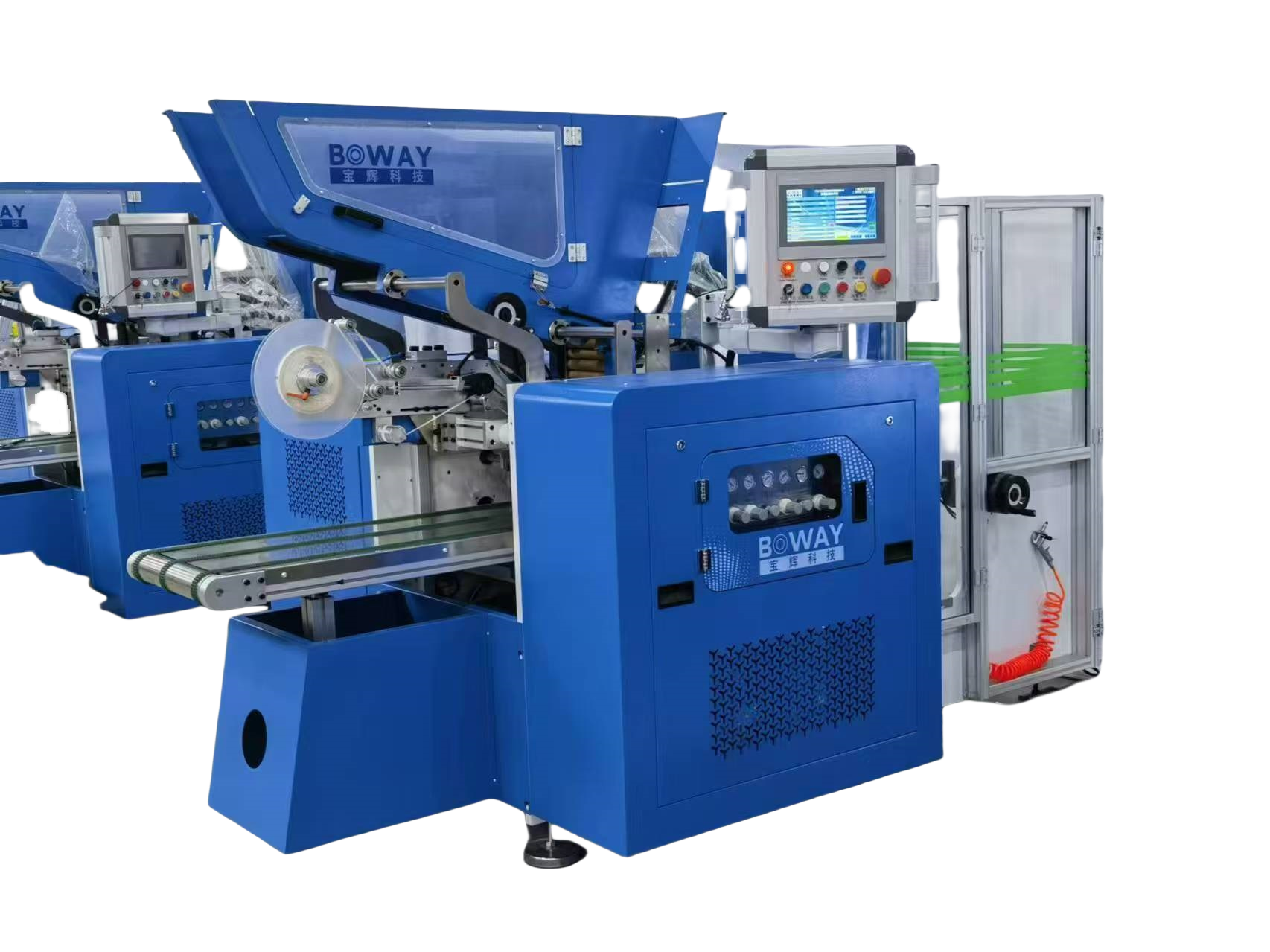
To succeed, realize one harsh reality. Even premium raw foil requires highly calibrated equipment for successful processing. Bridging the gap between raw material sourcing and capital investment demands reliable technology. You need a top-tier aluminum foil roll rewinding machine to maintain operational profitability. This machine adjusts dynamically to minor material flaws. It bridges the critical divide between raw commodity procurement and final consumer packaging.
You must evaluate your alloy grade carefully before placing any bulk orders. The metallurgical composition dictates how the foil behaves under mechanical stress. Alloy 8011 offers excellent flexibility because it contains small amounts of iron and silicon. Manufacturers use it heavily for standard household wrapping applications. Conversely, alloy 3003 utilizes manganese for added strength. This specific strength makes it ideal for heavy-duty food service containers.
Temper matters immensely during the converting stage. Most converting operations utilize an "O" temper. This designation means the metal is fully annealed and extremely soft. This soft state inherently limits tear resistance. High-speed unwinding operations demand careful handling of fully annealed materials. Over-tensioning an "O" temper roll stretches the foil permanently, ruining the structural integrity.
Chart: Common Aluminum Foil Alloys and Applications
| Alloy Grade | Primary Characteristics | Common Use Cases | Tensile Strength Level |
|---|---|---|---|
| 8011 | High flexibility, good barrier properties | Standard household foil, flexible packaging | Moderate |
| 3003 | Superior tear resistance, rigid structure | Heavy-duty catering, semi-rigid containers | High |
| 1235 | High aluminum purity, very soft | Cigarette packaging, battery foil | Low |
Foil thickness typically ranges from 9 to 25 microns for standard converting. You must establish strict evaluation criteria for thickness uniformity. A rigid thickness tolerance between ±3% and ±5% remains absolutely mandatory for smooth operations.
Uneven gauges cause localized tension spikes across the web width. When thick bands meet thin bands, the unwinding tension concentrates on the thicker sections. These sharp spikes lead directly to sudden foil snapping. We highly recommend demanding ±3% tolerances if you run modern, high-speed lines. This prevents unexpected snapping and keeps operators safe.
Pinholes seriously compromise food-grade compliance. You must define strict acceptable pinhole limits per square meter in your supplier contracts. Zero pinholes are ideal but practically impossible for extremely thin gauges. Establish clear thresholds based on end-user regulatory requirements. Hold foil samples to a strong backlight to perform quick spot checks.
Wettability grades determine the amount of residual rolling oil left on the foil surface. Suppliers classify wettability into grades A, B, or C. Grade A represents an entirely oil-free surface. It allows water to spread evenly without beading up. This cleanliness directly impacts food safety standards. It also profoundly affects how well automatic gluing mechanisms bond the tail end on the rewinder. Oil naturally repels water-based glues, causing immediate adhesion failure during packaging.
Edge straightness dictates slitting accuracy across your production runs. Poor width tolerances force edge-trimming functions to work excessively hard. Uneven edges generate massive amounts of trim scrap. They also slow down your aluminum foil rewinding machine significantly. Ensure your supplier guarantees straight edges to minimize continuous web guide overcompensation.
Standard core sizes typically feature 3-inch or 6-inch inner diameters. Heavy jumbo rolls require incredibly robust cores to survive overseas transit and aggressive processing. Cardboard cores easily crush under heavy rotational torque. They collapse inward when operators engage the machine's pneumatic chucks.
Steel or heavy-wall aluminum cores solve this problem entirely. They confidently handle extreme pneumatic chuck pressures without deformation. Strong cores prevent slipping during acceleration phases and ensure stable unwinding from start to finish.
Your maximum roll OD and total weight must match your machine limits perfectly. A standard jumbo roll can weigh several hundred kilograms easily. Overloading the unwinding stand causes dangerous equipment instability. It strains the servo motors and accelerates mechanical wear on the bearings. Always verify the maximum load-bearing capacity before ordering heavier jumbo rolls from a new mill.
Thinner foils under 11 microns need extreme care during processing. They stretch or snap easily under standard winding tension. Highly sensitive closed-loop tension control becomes vital for these thin gauges. The machinery must adjust pull forces instantly.
Advanced systems use precise load cells alongside magnetic powder brakes or servo motors. This feedback loop adjusts tension dynamically every millisecond. Servo motors offer far better low-tension control for delicate 9-micron foil than traditional magnetic powder brakes. This technology prevents material stretching and maintains pristine, flush roll edges.
Faster production speeds require stronger raw materials. You must evaluate your target processing velocities carefully. Compare different aluminum foil roll rewinding machine specifications when sourcing material. Machinery speed defines your raw material budget.
Running a machine at 300 meters per minute is somewhat forgiving on lower-grade alloys. Pushing a machine to 600 meters per minute demands premium tensile strength. Cheaper foils will tear instantly at high velocities due to aerodynamic drag and intense roller friction. Buy better foil if you want to run faster lines without constant interruptions.
Surface treatments interact directly with automated finishing systems. Sourced foil must easily accept water-based or hot-melt adhesives. If the wettability grade is too low, residual oil blocks the glue from forming a strong bond.
When glue fails to adhere, the rewinder's automated core-gluing features malfunction rapidly. Tail-sealing mechanisms will fail to secure the finished consumer roll. This halting of continuous production wastes operator time and damages your daily throughput metrics. Ensure you specify wettability Grade A if utilizing cold-glue sealing systems.
Shortlist manufacturing partners based on proven, objective criteria. Look for decades of business experience and a massive global installed base. Strict CE or UL safety compliance should remain a baseline expectation for any industrial equipment. A great engineering partner understands both metallurgical properties and advanced mechanical automation. They build machines that respect the inherent fragility of soft aluminum.
Never purchase capital machinery blindly from a digital brochure. You must demand a comprehensive Factory Acceptance Testing protocol. Bring your exact jumbo rolls to their manufacturing facility. Watch the equipment process your specific grade and thickness live.
A proper FAT involves dry runs, low-speed tests, full-speed runs, and emergency stop evaluations. This physical proof completely eliminates costly surprises later. This demanding vetting process separates an average vendor from a truly world-class aluminum foil roll rewinding machine supplier. Accept no excuses if they refuse a live test run.
Operational risk lingers long after the initial installation finishes. Assess the supplier's service level agreement for replacement parts. You will frequently need consumable slitting blades, pneumatic valves, and drive belts. Machines endure heavy wear and tear.
Ensure they offer fast international shipping for urgent components. Verify they possess remote troubleshooting capabilities via internet-connected PLCs. Strong digital support minimizes downtime, allowing software updates without flying engineers across the globe. This keeps your production lines moving profitably.
Successful sourcing requires a careful, two-part equation. You must secure tight-tolerance jumbo rolls. You must also deploy equipment perfectly capable of handling them. Ignoring one side of this equation guarantees manufacturing failure. Harmonizing material specs with machine capabilities unlocks maximum efficiency.
Take immediate action to improve your procurement strategy today. Follow these proven operational best practices:
A: Typically, you should accept ±5% for standard applications. However, modern high-speed machines often require ±3% to prevent web breaks. Tighter tolerances reduce localized tension spikes, ensuring smooth unwinding at maximum production velocities.
A: Telescoping involves the lateral shifting of the foil roll. It causes uneven edge winding. This defect forces the rewinder's Web Guiding System (EPC/LPC) to overcompensate constantly. This overcompensation often slows down production and causes severe edge trim waste.
A: Yes, provided the machine features programmable tension profiles. It must also have adjustable slitting pressures designed for multiple gauges. Quality machines easily handle ranges from 9 to 30 microns by storing specific material recipes in the control interface.
A: Heavy rolls on weak cardboard cores will collapse entirely. The immense pressure of the machine's pneumatic unwinding shafts crushes them. This collapse halts production immediately and wastes huge amounts of material. Steel or heavy-wall aluminum cores remain the industry standard.