Views: 0 Author: Site Editor Publish Time: 2026-09-03 Origin: Site
Underestimating machine capacity creates severe production bottlenecks. Conversely, overestimating locks up valuable capital in underutilized assets. Manufacturers must find the perfect balance to maximize profitability. Selecting the right capacity is not about buying the fastest equipment available. Rather, it revolves around matching press tonnage, stroke speed, and cavity count to your actual market demand. You also need to carefully factor in your specific facility constraints.
A highly profitable aluminum foil production line requires a realistic calculation of Overall Equipment Effectiveness (OEE). Furthermore, you need a clear understanding of machine specifications to scale your output effectively. We will explore how to analyze these metrics thoroughly. You will also learn to align your operations with a reliable vendor. This guidance ensures your project stays on schedule. It guarantees you meet production targets consistently without stressing your operational limits.
Many project managers confuse theoretical speeds with realistic daily yields. You must define success criteria clearly before making a purchase. Theoretical output simply multiplies strokes per minute by the total number of mold cavities. This number looks impressive on a brochure. Actual yield, however, paints a vastly different picture. Real-world output accounts for mold changes and material loading pauses. It also factors in routine maintenance tasks and shift handovers. Ignoring these realities leads to missed delivery deadlines.
We highly recommend adopting the Overall Equipment Effectiveness (OEE) standard. Instruct your procurement team to calculate required capacity using an 80-85% operating efficiency baseline. Suppose your market demands 100,000 containers daily. You must calculate your machine speed requirement to produce at least 115,000 units. This essential buffer absorbs inevitable minor stops. It compensates for occasional material feeding jams. Building this margin into your calculations protects your client relationships. You will consistently deliver orders on time despite minor factory floor disruptions.
Consider your current market position to determine the correct volume tier. We categorize production lines into three distinct levels. Each level serves a specific business model.
Choosing the right tier ensures you do not overcapitalize early in your business journey. Investing in a properly sized aluminum foil machine matches your current growth stage perfectly. It provides enough capacity to grow without overwhelming your immediate cash flow. Evaluating your baseline goals accurately separates successful projects from stalled initiatives. You must prioritize realistic yield over theoretical maximums.
Understanding technical data helps you align equipment capabilities with your long-term production goals. Press tonnage directly dictates mold compatibility and your multi-cavity potential. Tonnage refers to the sheer physical pressing force the machine exerts. A standard 45-ton press handles two or three cavities effectively. It offers a compact footprint for smaller factories. Conversely, a 4-cavity or 6-cavity mold demands a much larger physical bed. It requires a higher-tonnage press, often 63T, 80T, or even 110T. Higher tonnage distributes the stamping force evenly across all cavities. This uniform force prevents container wrinkling and maintains product integrity.
Feeding mechanisms and stroke speeds also require careful evaluation. Modern manufacturing lines utilize servo-driven feeders to pull aluminum sheets precisely. The feeder must index the foil perfectly before the die descends. High stroke frequencies can sometimes compromise dimensional accuracy if the feeder lags. Therefore, verifying aluminum foil machine specifications ensures the feeder matches the press speed. Mismatched components cause material jams and excessive scrap generation. Precision feeding systems reduce raw material waste significantly. They maximize the number of good containers produced per aluminum coil.
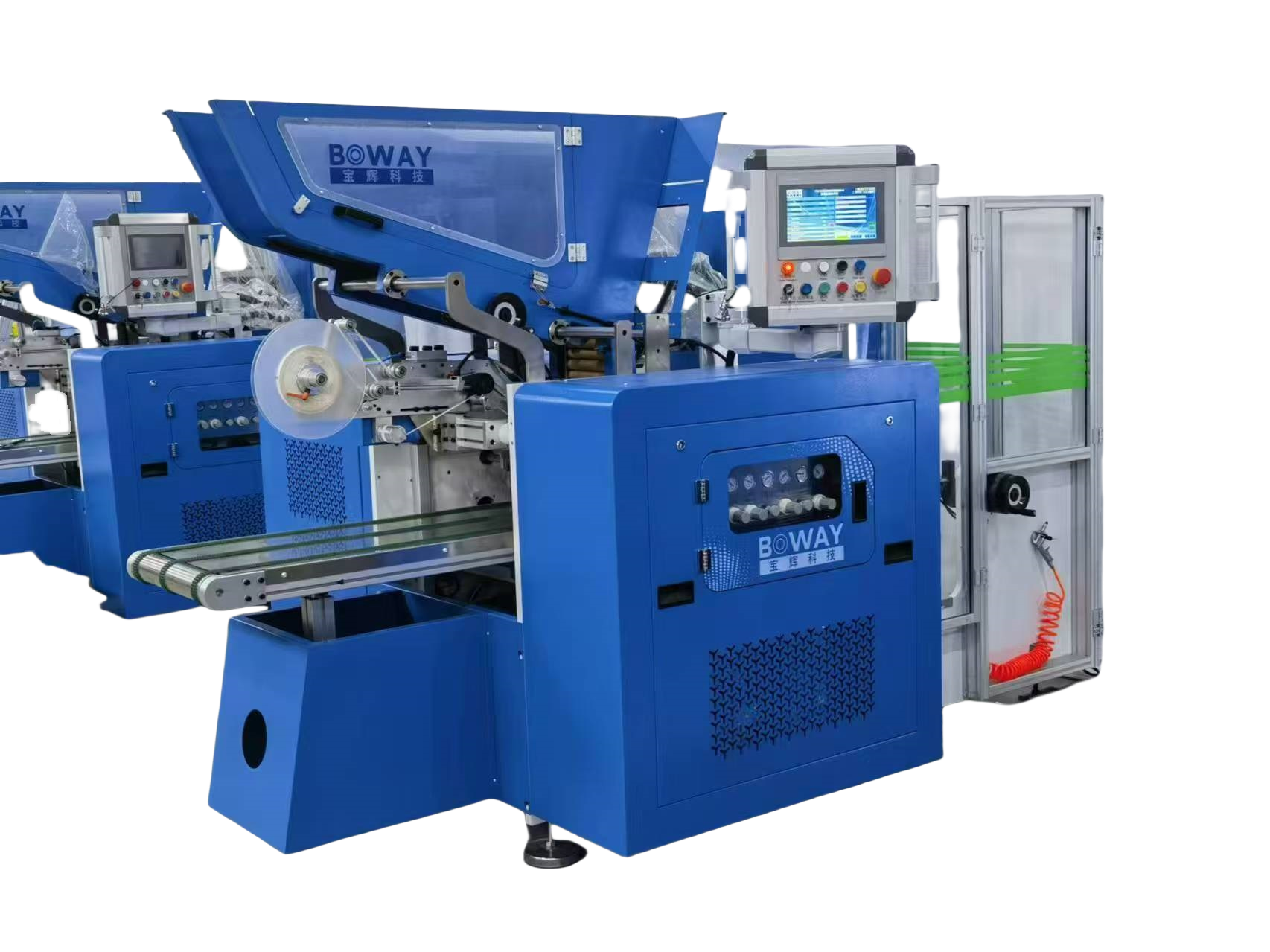
You must also assess specialized configurations based on your end products. Container pressing requires rigid, forceful stamping mechanisms. Consumer roll production involves different dynamics entirely. If you want to diversify your household foil offerings, your operation requires an aluminum foil rewinding machine. Rewinding lines handle flexible foil rather than pressing rigid shapes. They focus on tension control, slitting accuracy, and high-speed rewinding onto paper cores. Adding a rewinder allows you to capture retail consumers alongside food service clients.
Flexibility remains paramount for manufacturers serving diverse food service clients. Running versatile shapes like round, rectangular, or smooth-wall pans on a single line offers a major competitive edge. Ensure your chosen press accommodates rapid mold changes. Quick-change mold systems maintain high OEE during product swaps. They reduce downtime from several hours to merely a few minutes. This agility allows you to accept smaller, highly profitable custom orders. You can switch between standard baking pans and specialized catering trays effortlessly.
Chart: Typical Press Tonnage and Cavity Correlation
| Press Tonnage | Typical Cavity Count | Primary Application | Automation Level |
|---|---|---|---|
| 45T | 1 to 2 Cavities | Pilot runs, specialized small shapes | Manual to Semi-automatic |
| 63T | 3 to 4 Cavities | Mid-volume commercial packaging | Fully automatic stackers |
| 80T - 110T | 5 to 6+ Cavities | High-volume mass production | Integrated scrap baling |
Your equipment vendor plays a massive role in your operational success. Evaluating vendors goes far beyond comparing initial quote sheets. You must look for deep mechanical integration expertise. The best vendors manufacture or deeply integrate both the stamping press and the custom molds. This dual expertise ensures complete mechanical harmony during high-speed production runs. When a single supplier handles both components, they cannot blame a third-party mold maker for performance issues. You receive a unified, fully guaranteed production solution.
Always mandate rigorous validation protocols before accepting equipment delivery. You should require a comprehensive Factory Acceptance Test (FAT). The vendor must run your specific foil thickness during this test. They must also test your exact mold designs before shipping the equipment. Demand video evidence or attend the FAT in person. This crucial step prevents costly troubleshooting delays on your factory floor. It ensures the machine performs exactly as promised under real-world conditions. You can identify and resolve minor software glitches or feeding issues at the vendor's facility.
Finally, thoroughly evaluate the after-sales infrastructure of your shortlisted candidates. A highly reputable aluminum foil machine supplier commits to extensive operator training programs. Ask them about spare parts availability in your specific region. Inquire about their remote technical troubleshooting capabilities. Modern machines often feature internet-connected PLCs. This allows technicians to diagnose sensor faults from across the globe. Excellent support systems minimize unexpected downtime. They protect your production schedules over the long term. Solid after-sales service represents the difference between a minor hiccup and a catastrophic production halt.
Optimal machine capacity effectively bridges the gap between current market demand and realistic factory throughput. Purchasing equipment based purely on theoretical maximums often leads to frustrating bottlenecks. It can also lead to wasted capital investments in unused power. You achieve true profitability by calculating realistic OEE accurately. You must also understand press tonnage constraints thoroughly. You need to build a factory layout that accommodates material flow naturally.
Making the correct capacity choice empowers your sales team to pursue larger contracts confidently. They know the factory floor can deliver the promised volumes on time. Careful equipment selection reduces stress across your entire organization.
Here are your immediate next steps to secure the right equipment for your facility:
A: Multiply strokes per minute by the number of mold cavities, then multiply by 60 minutes. Finally, apply an 80% efficiency rate to account for roll changes, maintenance, and routine pauses. This calculation yields a highly realistic daily output figure.
A: Not necessarily. Higher tonnage allows for larger or multi-cavity molds. This increases your total output per stroke. However, the actual stroke speed itself may vary depending on the press design and specific mold complexity.
A: High-quality steel molds typically last for millions of punches. To achieve this lifespan, you must maintain routine maintenance schedules rigorously. You also need to ensure proper automatic lubrication systems operate correctly during all production runs.
A: Yes, many established B2B manufacturers offer comprehensive factory setups. They cover both rigid container stamping lines and flexible roll rewinding systems. Sourcing from one vendor often improves service integration and simplifies part ordering.